
President Trump warned of “tremendous economic consequences” for any nation that helps Iran skirt U.S. pressure, signaling a wider fight that could hit wallets far beyond the Middle East.
Story Snapshot
- Trump tied foreign aid to Iran to steep penalties, expanding the costs of helping Tehran.
- Washington is tightening sanctions on Iran’s oil trade and says a naval blockade can hold “indefinitely”.
- Iran is using the Strait of Hormuz as leverage and resists reopening without U.S. concessions.
- Oil flows and prices hang in the balance as both sides test each other’s staying power.
What Trump Said And Why It Matters
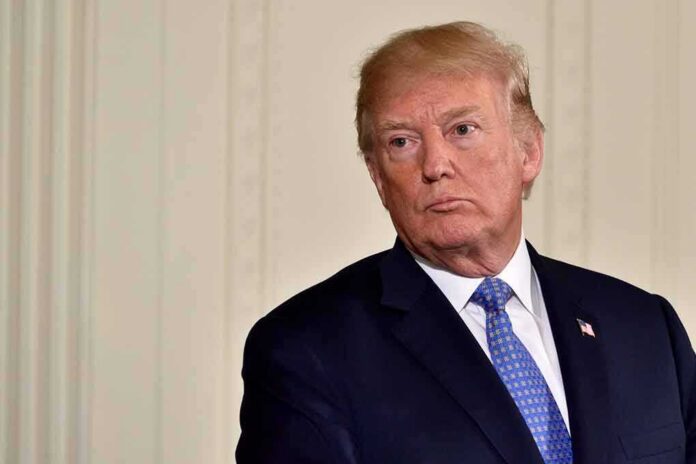
President Trump said nations aiding Iran will face “tremendous economic consequences,” linking Iran policy to wider trade and finance ties with the United States. The warning came as the administration ratchets up pressure with sanctions, strikes, and maritime measures aimed at Iran’s oil economy. The message targets governments, banks, and shippers that might help Iran move oil or money. It raises the stakes for U.S. partners weighing cheap barrels against access to the American market and dollar system.
The United States says the squeeze is designed to cut Iran’s war funding by choking off oil sales, shipping services, and related financing. The State Department recently sanctioned entities, individuals, and vessels tied to Iran’s “shadow” oil trade, calling it a key revenue stream for hostile activity. Treasury and State actions seek to make transport riskier and pricier, from insurance to bunkering to port calls. That increases compliance pressure on companies that fear losing access to U.S. banks.
Blockade Claims And Energy Supply Risks
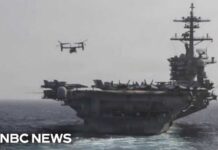
Senior U.S. officials said the Navy can hold a blockade of Iran “indefinitely,” even as global oil supplies tighten. Since the war began in February, Washington added maritime, energy, and financial sanctions and started the blockade to restrict Iranian shipments. U.S. Energy Secretary Chris Wright said escorts will keep the Strait of Hormuz open to commercial traffic and that Iran cannot close it going forward. These claims aim to calm markets and assure allies that oil routes will remain passable despite rising threats.
Any long conflict near the strait still risks supply shocks. The Strait of Hormuz moves a large share of the world’s seaborne oil. Even partial disruption can raise insurance costs and delay cargoes, which feeds into pump prices. Traders watch whether sanctions carveouts, alternate routes, and stockpiles can offset losses. If enforcement tightens faster than supply adjusts, prices could jump. That outcome would hit families through higher fuel and shipping costs, and it would strain smaller businesses already dealing with inflation.
Iran’s Leverage And Red Lines
Iran has tied any reopening of the strait to U.S. concessions, including sanctions relief and the release of frozen assets. Reuters reporting says Tehran sees control over Hormuz as its strongest bargaining chip with Washington, and it is betting it can outlast pressure by turning shipping lanes and energy sites into pain points. An Iranian official also warned of a move to a more offensive stance if talks fail, which would risk more incidents at sea and further stall any path to de-escalation.
This standoff reflects a familiar sanctions cycle. The United States tries to starve revenue by targeting oil flows and facilitators, while Iran adapts with covert shipping, blending, and new intermediaries. Enforcement raises costs and cuts volumes over time, but leakage can persist. That tug-of-war keeps risk high for companies and governments caught in the middle. It also fuels public anger at home when policy fights overseas feed higher prices and new uncertainty for workers and retirees.
What To Watch Next For Your Bottom Line
Watch whether new U.S. designations hit bigger fleets, banks, or insurers, which would widen compliance fear and squeeze more barrels off the market. Track global supply responses from producers that can ramp output or release reserves to blunt price spikes. Follow signals from Oman and other go-betweens on a shipping-lane framework; any credible corridor deal could ease tensions, while failure points to more friction and cost. Markets will react fast to any attack, seizure, or sanction that shifts near-term barrels.
Iran is facing an increasingly severe economic and military squeeze as sanctions, financial isolation, trade restrictions, and attacks on its military infrastructure cut the country off from the global economy.
The strategy resembles an economic “Anaconda Plan,” gradually…
— Jeff Douglas (@JeffDouglasU1) August 19, 2026
For many Americans, the deeper worry is that big decisions are made far away, while families pay the bill. Conservatives see energy policy whiplash and global gamesmanship driving higher costs. Liberals see power politics and corporate interests trumping household needs. Both sides doubt Washington’s focus on the common good. This episode adds to that frustration: a high-stakes showdown where elites steer policy, oil shocks loom, and Main Street braces for the tab unless leaders deliver steadier, safer energy flows.
Sources:
reuters.com, state.gov, cnbc.com, gulfnews.com
© newsalertdaily.org 2026. All rights reserved.