
A high-profile church protest case against Don Lemon could crack open the law that shields both abortion clinics and worship services.
Story Snapshot
- Don Lemon is charged under a 1994 federal law usually used in abortion-clinic cases, but here for a church protest.
- The law also protects worship services from force, threats, or obstruction, and Lemon is challenging that section.
- Some legal experts say the worship clause may rest on weak constitutional ground compared with clinic protections.
- A ruling against the worship clause could ripple into clinic protections, though that outcome is not certain.
What prosecutors filed and why it stands out
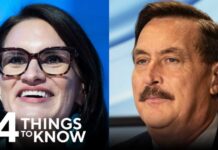
Federal prosecutors charged Don Lemon after a protest at a Minnesota church, using the Freedom of Access to Clinic Entrances Act, a 1994 law best known for abortion-clinic cases. The law also covers churches by banning force, threats, or physical obstruction that blocks people from worshiping. Prosecutors say Lemon’s conduct fits the church part of the statute. Lemon says he was there in a journalistic role, which raises First Amendment questions that will be tested in court.
Reporters and attorneys note this charge is unusual because most cases under the law have focused on clinics, not houses of worship. That history matters. Courts linked clinic protections to interstate commerce tied to health care. The church setting is different, so the legal path is less settled. That shift turns this case into a major test of how far Congress can go in criminalizing interference at religious services under federal power.
Why Lemon’s constitutional challenge targets the worship clause
Lemon’s defense challenges the part of the law that protects worship services, not the clinic section as a whole, according to coverage of the filings and statements from his team. Supporters of the challenge argue that Congress relied too much on federal power in a setting with no clear economic link. They say states can handle disruptions at churches under local laws. That makes the worship clause a softer target than clinic protections, at least on paper.
Commentary from civil-rights lawyers and policy analysts frames this as a serious, not fringe, argument. Former Department of Justice attorneys told CBS News the worship clause may rest on a faulty read of First Amendment rights and has never been used in a prosecution, which increases legal risk for the government’s case. Analysts at the Cato Institute call it “conceivable” the government can defend the clause, but they acknowledge the argument is uphill in this new context.
Could a church ruling shake abortion-clinic protections?
Advocates for clinic access warn that if a court knocks out the worship clause, it could weaken the broader law by accident or design. They argue the statute was a compromise that bundled clinic and church protections, so a hit to one part could spill over to the other. Conservative and liberal commentators alike track this risk, since it could change how federal authorities police blockades, threats, and harassment around reproductive health care.
You’re lying about the Harlow case. The protesters were blocking all entrances and exist to the clinic. She was prosecuted under the FACE Act, and convicted by a jury and sentenced by the judge. The same Act was used by Trump to charge Don Lemon. How has that been going? 🤣
— polyploidy (@blink64) August 13, 2026
Here is the hard truth: the public record does not yet include the full legal brief, the arrest affidavit, or a court ruling on the worship clause’s constitutionality in this case. That gap limits what anyone can say for sure about severability and scope. What we do know is clear. The law covers both clinics and churches. Prosecutors picked the church path this time. And a court fight over that choice may reshape how Washington polices protests at two of the country’s most sensitive places.
Why this matters beyond one protest
Americans across the spectrum worry that the law swings hardest when politics demand it. This case touches those fears. If the government reaches for a little-used clause to make a high-profile arrest, people on the right and left will ask whether power, not prudence, drove the choice. If a court pares back that clause, others will ask whether federal tools to stop real threats at clinics or churches just got weaker. Either way, trust in equal justice is on the line.
What to watch next
Watch for the court’s first ruling on the motion challenging the worship clause. Look for any detailed facts about what happened inside the church, since force, threats, or physical obstruction are key to the charge. Track whether the judge invites briefing on severability, which would signal possible spillover to clinic protections. Finally, note whether the Department of Justice narrows its theory or doubles down. Those moves will tell us how far this test case could reach.
Sources:
thegatewaypundit.com, dailysignal.com, reuters.com, cato.org, cbsnews.com, minnesotareformer.com
© newsalertdaily.org 2026. All rights reserved.