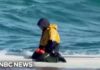

A 13-year-old Maryland boy was flown to Johns Hopkins Hospital after a rabid beaver bit his chest and hand at a popular state park swimming area.
Story Snapshot
- Officials confirmed a rabies-positive beaver after a July 26 bite at Cunningham Falls State Park.
- Maryland closed the main swimming beach, then later reopened the lake after monitoring.
- The teen’s family says he was attacked while swimming underwater and needed three surgeries.
- Health and park agencies cite the rarity of rabid beavers but treated the case as serious.
What Happened At The Lake
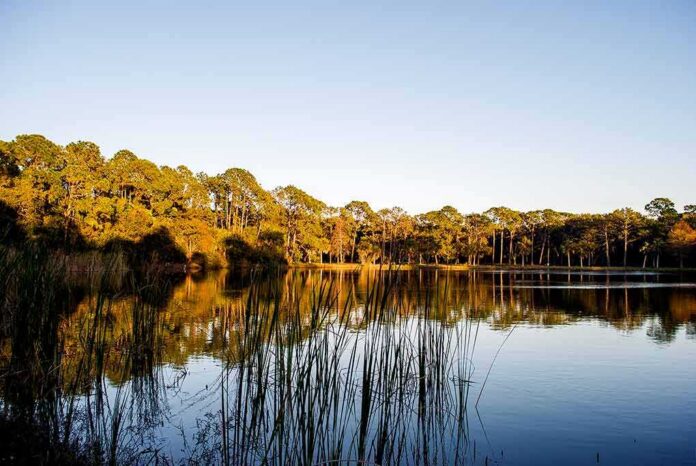
Maryland officials say a 13-year-old was bitten on July 26 while swimming in the designated area at Cunningham Falls State Park’s Hunting Creek Lake. The Department of Natural Resources reported injuries to his hands and chest. A medical helicopter took him to Johns Hopkins Hospital for treatment. Authorities closed the North Beach swim area the same day. Other park areas stayed open during the search for the animal and testing to confirm rabies status.
Maryland’s Department of Natural Resources later said two beavers from separate incidents at the lake tested positive for rabies. The agency noted the July 26 victim was a 13-year-old swimmer and confirmed both animals were removed. The park reopened the lake weeks later after staff monitoring found no additional beavers in the area and officials deemed the site safe for the public to return.
Family’s Account Of The Attack
Family interviews describe the teen swimming underwater when the beaver clamped onto his chest and shook its head, then lunged again and bit his hand. They say he fought free and reached shore with help. Follow-up coverage reports he underwent three surgeries and suffered significant nerve damage. Those details come from later media interviews rather than the initial agency notice, but they align with officials’ timeline and the confirmed rabies finding.
A state spokesperson told local media the bite occurred inside the marked swimming zone, not in a wildlife-restricted area. That placement matters to visitors who expect lifeguards, buoys, and basic risk controls in public swim zones. Officials also emphasized that the beaver tested positive for rabies, supporting the decision to close the beach and conduct monitoring before reopening the lake to the public.
Why Authorities Treated It As High Risk
Public health agencies treat any suspected rabies exposure as urgent because the virus is deadly if untreated. While rodents and rabbits rarely carry rabies, confirmed cases do occur each year across the United States. One review found that from 2011 to 2020, about 1.8 percent of tested rodents and rabbits were positive, and beavers were among the more reported species within that group. Confirmed human attacks by rabid beavers remain unusual but documented.
A Maryland teen is recovering after a rabid beaver attacked him while he was swimming at Cunningham Falls State Park in Frederick County.
Dominick Cebula was 13 at the time of the July 26 attack. The beaver reportedly latched onto his chest, then bit his hand as he fought it… https://t.co/jLvFGdfWbj
— MDBayNews (@MDBayNews) September 16, 2026
Local health officials have called the Cunningham Falls events rare, yet they still moved fast to protect visitors. The state closed the core beach, posted alerts, removed the animals, and reopened only after weeks of checks. That sequence shows a system that can work when agencies act decisively. It also shows the limits of brief public notices, which often confirm key facts but leave families explaining the hardest details of what they lived through.
Sources:
foxnews.com, people.com, thedailybeast.com, heraldmailmedia.com, news.maryland.gov, thecooldown.com
© newsalertdaily.org 2026. All rights reserved.