
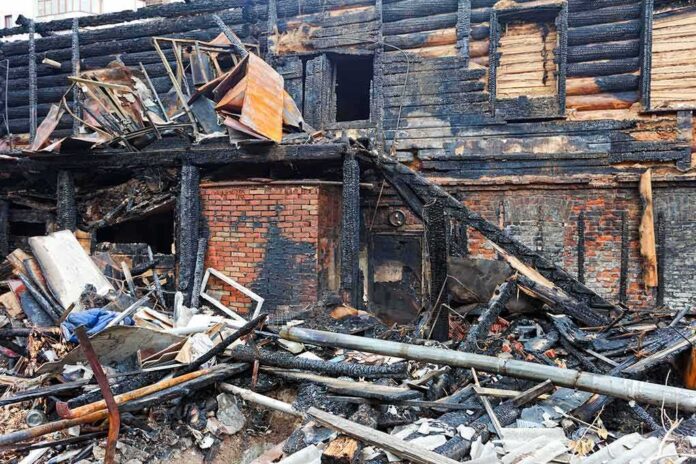
A six-story, war-damaged apartment building in Gaza City collapsed, killing at least 21 people and injuring many more, underscoring a growing shelter crisis for civilians caught in the conflict.
Story Highlights
- At least 21 people died after a damaged building collapsed in Gaza City.
- Rescuers pulled survivors after a 16-hour operation, but many were hurt.
- Officials say displaced families had been living inside the unsafe structure.
- Humanitarian groups warn most people in Gaza face severe shelter risks.
What Happened in Gaza City
Local authorities said the Al-Saada residential block, near the United Nations agency’s compound in Gaza City, gave way early Wednesday. The Gaza Health Ministry reported that children and women were among the dead, and that more than a dozen people were injured. Civil defense crews worked through the day and night. They recovered 21 bodies and saved 45 people after about 16 hours of digging through rubble, according to a civil defense spokesperson.
Reporters on the ground described a building already weakened by past strikes. They said it housed families who had been displaced from other parts of Gaza. Emergency workers used limited heavy equipment and hand tools to reach trapped survivors. Early counts of the dead varied as the rescue unfolded, but later reports aligned around at least 21 fatalities. Officials warned that other damaged buildings nearby might also be unstable.
Why So Many Families Were Inside
Humanitarian groups say people in Gaza face a harsh choice. Many sleep in tents that do not keep out wind and rain. Others move into cracked buildings that could fall without warning. The Norwegian Refugee Council said very little shelter material has entered Gaza. The group also said two-thirds of people in tents or makeshift shelters have lived that way for over a year, even though such setups are meant to last about six months in Gaza’s climate.
The same group pointed to a recent report from the shelter cluster it helps lead. That report found that over 80 percent of people in Gaza live in critical or catastrophic shelter conditions. It also said 94 percent of people there need some kind of shelter or basic household help. The group called for the entry of cement, rebar, timber, and other supplies to reduce the danger, and said no real rebuilding has started.
Seasonal Risks and a Pattern of Collapses
Aid workers warn that winter weather makes weak structures fail faster. Heavy rain can soak walls and roofs. Wind can push cracked beams past the breaking point. Last winter, separate reports described homes that fell during storms, killing and injuring residents. Those events echo what just happened in Gaza City and suggest a wider risk that grows when storms arrive and shelter supplies remain blocked or delayed.
"The building that collapsed today onto its residents in Gaza City is neither the first nor will it be the last. The danger comes from hundreds of buildings that were bombed by Israeli forces but are still standing, and could collapse at any moment, as happened [Tuesday].
That… https://t.co/0C2yEgj10B— Marian Houk (@Marianhouk) September 17, 2026
Past seasons saw tents flooded and families exposed to cold, while damaged homes crumbled. Those stories match warnings now coming from civil defense teams and aid agencies. They argue that safer shelter and basic repair materials can prevent many of these deaths. Officials and journalists have documented repeated failures in fragile buildings, but there is still no detailed engineering study of this specific collapse to show the exact failure point or trigger.
Why This Matters Beyond Gaza
This tragedy highlights a problem that angers people across the political spectrum. Americans see another case where civilians pay the price while leaders trade blame. The pattern is familiar: broken systems, slow aid, and blocked materials leave families with no safe options. When institutions fail to move basics like cement, tarps, and tools, preventable deaths follow. Many readers, right and left, see this as proof that far-off decisions by elites hit ordinary people the hardest.
What to Watch Next
Rescue services may release a final casualty list in the coming days. Humanitarian groups are likely to step up calls for entry of construction and emergency shelter supplies before winter storms intensify. Local officials could flag other high-risk buildings and urge evacuations if safer spaces exist. If supplies do not arrive soon, aid workers warn that more collapses are likely as rain and wind stress structures that are already on the edge.
Sources:
independent.co.uk, bbc.com, democrata.es
© newsalertdaily.org 2026. All rights reserved.