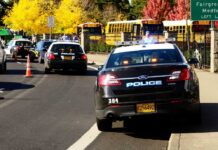

As hundreds protested a police shooting in Madison, some activists spilled into streets and sidewalks, blocking cars and confronting diners, sharpening fears that public anger and public safety are now on a collision course.
Story Snapshot
- Police shot and killed Corey Ruiz during an arrest, and the case is now a state-led homicide investigation.
- Protesters demanding justice marched through Madison, at times surrounding vehicles and confronting people eating outside.
- Officials canceled major city events and face pressure from both civil rights lawyers and residents worried about order.
- The clash highlights a deeper problem: many Americans believe the system protects elites while failing regular people on safety and justice.
What Happened in the Madison Police Shooting
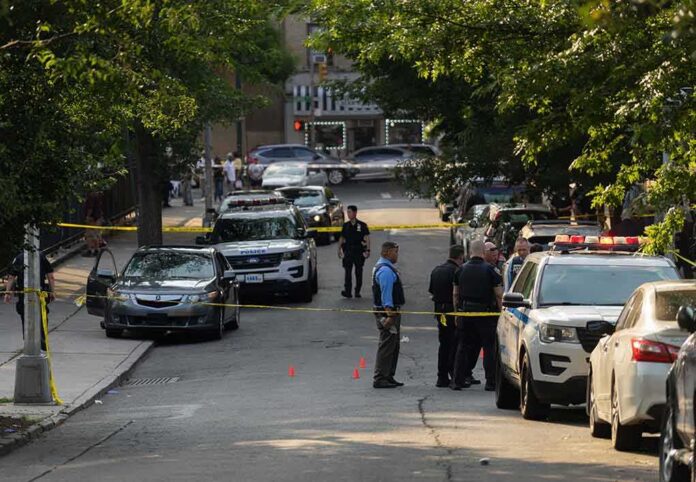
On July 22, Madison police officers tried to arrest a man they said was checking car doors and possibly stealing bicycles. During the struggle, officials say the man, now identified as thirty‑eight‑year‑old Corey Ruiz, pulled out a knife and injured an officer. Police report that officers first tried using a Taser, but it did not stop him. The same officer who was hurt then fired his gun, and Ruiz later died at the hospital. State investigators are treating the case as an active homicide investigation.
Wisconsin’s Department of Justice Division of Criminal Investigation is leading the review, and the involved officers are on administrative leave while the facts are examined. Madison’s police chief has said the department will fully cooperate and not hide any part of the investigation. At the same time, the city has not yet released the name of the officer who fired, which has raised concerns among activists who say there is too little transparency. These steps follow a pattern seen after other controversial police shootings around the country.
How Protests Spilled Into Streets and Sidewalks
The shooting quickly sparked large protests across Madison, including marches near the Capitol and through busy downtown blocks. One march drew hundreds of people demanding justice for Ruiz and calling for police accountability. In bystander video from that march, protesters can be seen stepping off the curb, surrounding at least one car stopped in the street, and shouting as they block its path. Other clips show activists moving along restaurant rows, confronting people eating outside and chanting only feet from their tables.
Officials and local reports describe protests that have at times interrupted city life beyond normal marches. Demonstrators disrupted an official press conference about the shooting, shouting down speakers and forcing them to pause. Coverage also notes that protests and related tensions led Madison to cancel some signature public events, including parts of a summer concert series that draw families and tourists downtown. City guidance reminds groups that marches are allowed but may need permits when they block traffic or use public space in ways that affect safety.
Why Both Sides Feel the System Is Failing Them
Many protesters argue that the shooting of Ruiz was not justified and that strong, visible action is the only way to force real accountability. Civil rights attorney Ben Crump, who represents Ruiz’s family, has said the officer should face criminal charges and has called for full release of video and records. Activists point to past Madison cases, and to national examples, where police were cleared after deadly force, and they fear this investigation will end the same way. They say peaceful marches alone have not fixed deep problems in policing.
At the same time, many residents, both conservative and liberal, feel caught in the middle between fear of crime and distrust of government. Older conservatives see another case where protests tied to Black Lives Matter spill into streets, block traffic, and confront bystanders, and they worry basic order is breaking down while leaders hesitate to act. Older liberals may share anger over the shooting but also feel uneasy when protests cross the line into what looks like harassment of diners and drivers. Both groups increasingly suspect that officials respond more to loud national pressure than to the daily needs of regular people.
A Deeper Fight Over Power, Policing, and Public Space
The Madison unrest fits a wider United States pattern where police use of force, especially deadly force, triggers quick protests long before investigations are complete. Officials stress the danger officers faced from a man with a knife, while activists stress how often police accounts later prove incomplete or biased. Bystander video exists but has not all been made public, leaving each side to highlight clips that support its story and fueling more anger and doubt. In this information gap, trust in both police and political leaders erodes.
City leaders now face twin pressures they seem unable to fully answer. On one side, civil rights groups demand faster transparency, public release of all recordings, and clear limits on when officers may use deadly force. On the other side, workers, families, and business owners ask why their streets, concerts, and dinners feel like battlegrounds whenever a crisis hits. Many across the political spectrum see the same pattern: government reacts late, talks about values, and then moves on, while ordinary people live with the fallout in their neighborhoods, wallets, and sense of safety.
Sources:
twitchy.com, apnews.com, nbcnews.com, npr.org, youtube.com, cnn.com, nytimes.com, facebook.com, wisdoj.gov
© newsalertdaily.org 2026. All rights reserved.