

As cartel violence spirals and government accountability falters, the brazen assassination of Uruapan’s anti-cartel mayor exposes the deadly consequences of unchecked criminal power and weak political will just across America’s southern border.
Story Snapshot
- Independent mayor Carlos Manzo was assassinated during Day of the Dead festivities in cartel-dominated Michoacán, Mexico.
- The killing triggered massive protests, violent unrest, and accusations of government complicity or ineffectiveness.
- Cartel control and political assassinations are undermining democratic governance and fueling instability on the U.S. doorstep.
- Calls for decisive international action and border security are growing as drug trafficking and violence threaten both nations.
Assassination Sparks Outrage in Cartel-Held Michoacán
On November 1, 2025, during the Day of the Dead celebrations in Uruapan’s central plaza, independent mayor Carlos Manzo was shot dead in public view. Manzo, a rare reformer in a region long plagued by narco-political collusion, had openly challenged cartel authority and prioritized restoring law and order. His murder, executed amid a major cultural festival, sent shockwaves through the city and the nation, symbolizing the iron grip organized crime now holds over local governance and public safety.
Public mourning rapidly gave way to mass protest across Michoacán and the capital, with demonstrators demanding government accountability and justice. By November 3, the unrest had escalated into violent confrontations as protesters stormed the Government Palace in Morelia, clashing with riot police and amplifying calls for federal intervention. Eyewitnesses and video accounts confirm the scale of the anger, highlighting deep frustration with years of failed security policies and a sense of abandonment by authorities supposedly tasked with protecting their communities.
Cartel Impunity and Political Paralysis Threaten U.S. Security
Michoacán’s history is marred by decades of cartel warfare, with groups like the Jalisco New Generation Cartel vying for control over lucrative trafficking routes and using targeted violence to eliminate political resistance. The murder of Manzo is only the latest in a series of assassinations against reformist officials, police chiefs, and activists who dared to challenge cartel dominance. This cycle of violence has eroded public trust, destabilized local economies, and displaced families, creating ripple effects that extend far beyond Mexico’s borders.
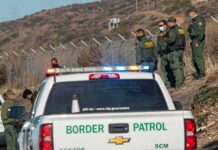
Uruapan’s strategic location makes it a high-value prize for cartels, and the region’s instability directly fuels the cross-border drug trade, including the flow of fentanyl and other deadly narcotics ravaging American communities. The inability or unwillingness of Mexican authorities to confront cartel power has led to calls for expanded U.S. involvement, with reports of potential special operations missions pending diplomatic authorization. Such developments underscore the urgent need for robust border security and strong executive action to protect American interests and values.
Political Fallout and the Erosion of Democratic Institutions
The fallout from Manzo’s assassination has exposed deep fractures within Mexico’s political system. President Claudia Sheinbaum’s condemnation of the attack as a “vile assault on democracy” and promises of “zero impunity” have done little to quell skepticism. Opposition leaders, like Senator Lilly Téllez, openly accuse the government of complicity or gross negligence, echoing widespread fears that state institutions have been infiltrated or intimidated by criminal organizations. Security analysts and political scientists warn that the normalization of targeted killings is undermining basic democratic processes and emboldening cartels to dictate terms to elected officials.
Two suspects have been detained and one killed in connection with the assassination, but public outrage remains high. National Guard deployments have expanded across Michoacán, yet the perception of government weakness persists. The crisis has strengthened calls for international pressure, decisive border measures, and support for the rule of law—issues that resonate with American conservatives wary of the spillover effects of chaos and corruption mere miles from the U.S. border.
Anti-Cartel Mayor Gunned Down in Cartel-Controlled Mexican State https://t.co/kUD6Z4zEdJ via @BreitbartNews
— dhorning5919 (@Dhorning5919) November 3, 2025
For American readers, the tragedy in Uruapan is a stark reminder of the dangers posed by failed states and porous borders. As cartels expand their influence and democratic institutions falter, the need for a strong, constitutionally grounded response—rooted in secure borders, law enforcement cooperation, and unwavering support for the rule of law—has never been more urgent.
Sources:
After Anti-Cartel Mayor’s Assassination: Mexico’s Crisis Deepens | The Bureau News
Mexican Mayor Killed During Day of the Dead Festivities | Evrim Ağacı