
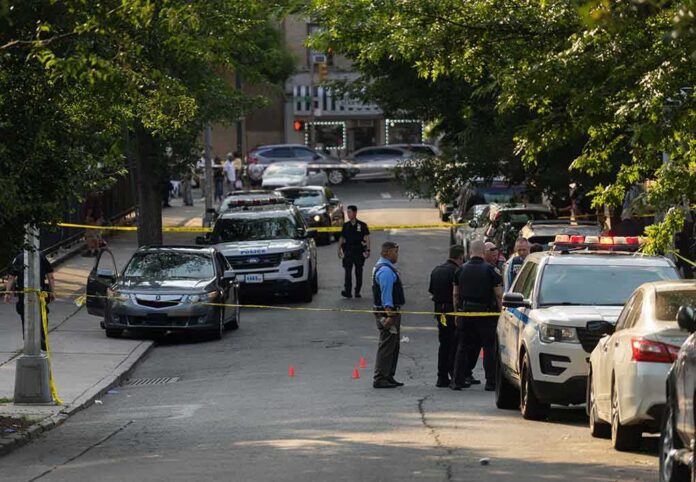
Brussels’ chief prosecutor says drug gangs are outgunning the system as shootings rise, and he still has not received the extra funds he requested.
Story Snapshot
- Chief prosecutor Julien Moinil says his office got no added funding despite a surge in gang shootings.
- Authorities announced extra police, mobile cameras, and coordination units, but gaps remain.
- Belgium seized €203 million from criminals this year, yet prosecutors say they need €10 million more.
- Officials link most recent shootings to turf wars among drug gangs, not random crime.
Prosecutor Warns Resources Do Not Match the Violence
Brussels chief prosecutor Julien Moinil said his office is “working tirelessly with limited resources” and has received “no additional funding at all” despite a spike in drug gang violence. He asked for €10 million to strengthen investigations and speed cases. He argued the request is modest compared to €203 million seized from criminals in the capital this year, and warned that without support, gangs will keep using fear to rule streets and recruit young people.
Reports across the city point to a pattern: a wave of shootings hits neighborhoods, officials say gangs are behind it, and police and prosecutors say staffing and tools are still too thin. Belgian and European reports have flagged long-standing shortages in the justice system, from court backlogs to a lack of investigators. Those gaps slow arrests, delay trials, and sap deterrence. That cycle fuels public anger that the state cannot protect basic safety in the seat of the European Union.
Government Adds Officers and Cameras, but Capacity Gaps Persist
Regional and federal leaders announced countermeasures. Brussels plans to deploy 40 extra police officers, add 20 mobile cameras, and create a permanent coordination unit to improve information sharing between police, prosecutors, and city services. The interior minister said 77 additional officers have already been sent and more could follow. These steps aim to restore control in hot spots while building a steadier command structure across agencies.
The federal government also set up a task force led by Prime Minister Bart De Wever to focus on drug crime. Earlier actions included adding officers in key neighborhoods and reinforcing the federal judicial police. Still, authorities admit staffing remains strained, and that reorganizing multiple police zones is complex and slow. That is the core of the clash: small boosts arrive, but the prosecutor’s office says the surge in gang activity requires deeper, faster investment now.
What the Shootings Tell Us About the Threat
Belgian and international coverage describe the recent shootings as gang-linked turf wars rather than random acts. Officials say cocaine money and rival crews drive the violence. Last year saw more than a hundred shootings, with dozens more this year. Those numbers point to a market that moves quicker than local institutions can handle. Gangs exploit that gap by using younger recruits and by directing operations from outside Belgium or even from inside prisons.
That mix creates risk for ordinary people who live near drug hubs and transport lines. When criminals use military-grade weapons and rapid “drive-by” tactics, every delay in investigations matters. Cameras that do not work, thin investigative teams, and slow case processing all cut the odds of swift arrests. That is why the prosecutor’s demand centers on investigative muscle—more analysts, detectives, and digital tools—to find shooters fast and break networks, not just flood corners with patrols.
Why This Matters Beyond Brussels
Europe’s drug trade is transnational. Profits flow across borders, and hit teams move between cities. When the capital of the European Union struggles to keep up, it raises a hard question both left and right are asking at home: if the state cannot deliver basic safety, what is it doing with all the money it already collects? The prosecutor’s math is stark—hundreds of millions seized, but tens of millions missing where they could make a direct dent in violence.
CONFIRMED: 69 SHOOTING INCIDENTS IN BRUSSELS IN 2026, 170 SINCE 2025
Brussels Chief Prosecutor Julien Moinil said that 69 shooting incidents have occurred in the Belgian capital since the beginning of 2026, and 170 in total since the beginning of 2025. Moinil described the… https://t.co/8weVhJBRBC
— THE WORLD CORRESPONDENT (@TheWorldCorresp) August 28, 2026
For Americans watching from afar, this echoes local debates about understaffed courts, overworked police, and repeat offenders. Many feel leaders talk about “coordination” but fail to fix core choke points. Brussels shows how that gap widens distrust. Announcing more patrols can calm headlines, but lasting safety needs strong detectives, swift prosecution, and prison controls that stop gang bosses from ordering hits by phone. That is the quiet, unglamorous work that saves lives.
Sources:
thegatewaypundit.com, euronews.com, politico.eu, brusselssignal.eu, reuters.com, brusselstimes.com
© newsalertdaily.org 2026. All rights reserved.