

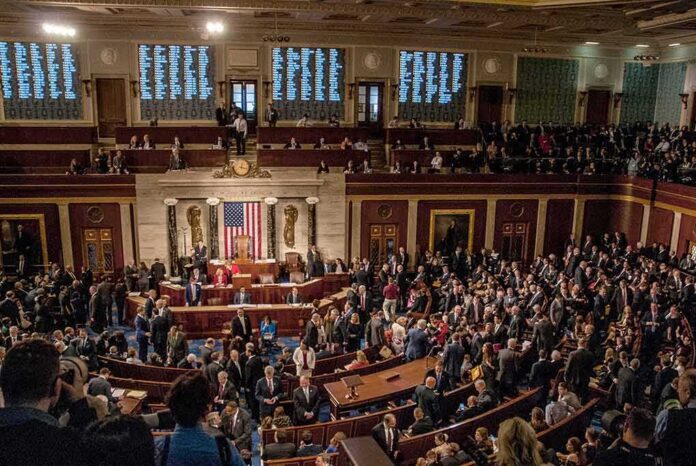
In a preview of her 2028 platform, Kamala Harris spotlighted sweeping Senate filibuster changes that would shift power toward simple majorities and population-based coalitions, placing rule redesign squarely on the national agenda.
Story Highlights
- Harris previewed a platform that elevates mainstream filibuster reform ideas, including a talking filibuster and population-based thresholds.
- Policy shops and scholars have long cataloged viable options to curb minority veto power and speed floor votes.
- Experts note the filibuster is a Senate rule, not a constitutional mandate, making reform procedurally possible.
- Evidence on whether reforms would boost productivity and responsiveness remains mixed, fueling cross-partisan doubts.
What Harris Put On The Table
Harris previewed a platform that centers on changing how the Senate filibuster works. Her emphasis mirrors proposals that would require senators who object to keep speaking on the floor, known as a talking filibuster, and reduce chances for silent holds that stall bills. The approach also tracks ideas to put more burden on the minority to sustain delay. These ideas align with plans that Senator Jeff Merkley has pushed to restore live debate and accountability in the chamber.
Harris also highlighted a reform track that ties Senate action to population majorities, rather than a raw senator count. One model would allow legislation to advance when the supporting senators represent a majority of Americans. Advocates say this better reflects modern population patterns and fixes skew from small-state weight. The American Constitution Society’s proposal captures this idea and extends it to votes that currently fall outside the three-fifths rule.
Why Reformers Say The Moment Is Ripe
Reform backers point to a deep record of plans designed to reduce routine obstruction and let majority coalitions govern. A Northwestern analysis outlines three common routes: abolish the filibuster, restore a real talking filibuster, or flip the votes needed so objectors must supply 41 to keep debate going. Brookings and the Brennan Center have mapped similar menus, describing practical steps leaders could take without changing the Constitution or the basic structure of the Senate.
Supporters also argue the filibuster is not a founding design but a Senate-made rule that has changed many times. That means it can change again. The Congressional Institute and other primers list workable alternatives, from lowering cloture thresholds to changing who bears the burden to sustain delay. This history undercuts claims that the rule is locked in or sacred law. It also explains why both parties have adjusted it before for nominations and debate limits.
The Cross-Pressure From Left, Right, And Everyone Else
Americans across the spectrum share a basic concern: Washington is stuck while daily costs, crime, and community stress rise. Many feel the rules mainly protect insiders. Reformers argue that curbing the filibuster would help Congress act on big issues when voters send a clear signal. They say the current setup lets a unified minority block bills that have broad public support. That claim sits at the core of most reform proposals now in circulation.
**Here are roughly 10 instances from recent decades (mostly post-2010) where Democrats or Democratic majorities have been widely described as bypassing or eroding longstanding political, constitutional, or institutional conventions.** These are drawn from documented actions, rule…
— HumanProbably (@HumanProbably2) July 30, 2026
Skeptics warn that quick fixes can backfire. Brookings notes there is little firm evidence that the leading proposals would make the Senate more productive or more responsive to public opinion over time. Critics add that parties trade places, so any tool used today can be used tomorrow by the other side. That risk feeds the view, on both left and right, that rule fights can look like power grabs rather than lasting repairs.
What To Watch Next
Two tests now loom. First, will Democrats rally around a single, detailed plan with clear bill text, or keep a wide menu of options? Second, will reformers limit changes to democracy or voting bills, or push across most legislation? The Filibuster Reform Forum tracks proposals to exempt voting rights and other core democracy items, signaling one likely path if a broad deal proves too hard to pass in the next Congress.
What’s Missing Or Unclear
The current record does not include a full, official platform document from Harris that binds her to every reform often mentioned alongside filibuster changes. Items like Supreme Court expansion or ending the Electoral College are discussed in wider debates, but this package does not provide a primary-source platform text from Harris confirming those steps. That gap is key for voters who want the exact language before they judge the scope of her plan.
Why This Matters For Everyday Americans
Senate rules shape what gets a vote, when it happens, and whether elected majorities can keep campaign promises. When gridlock rules, families wait while prices, taxes, and local problems do not. When rules swing too far the other way, policies can lurch with each election. Harris’s preview pulls that tension into focus: streamline lawmaking to reflect voter will, or preserve a brake that forces broader buy-in. That choice affects both parties and every paycheck.
Sources:
thegatewaypundit.com, filibusterreform.org, brookings.edu, scholarlycommons.law.northwestern.edu, merkley.senate.gov, acslaw.org, pogo.org
© newsalertdaily.org 2026. All rights reserved.