

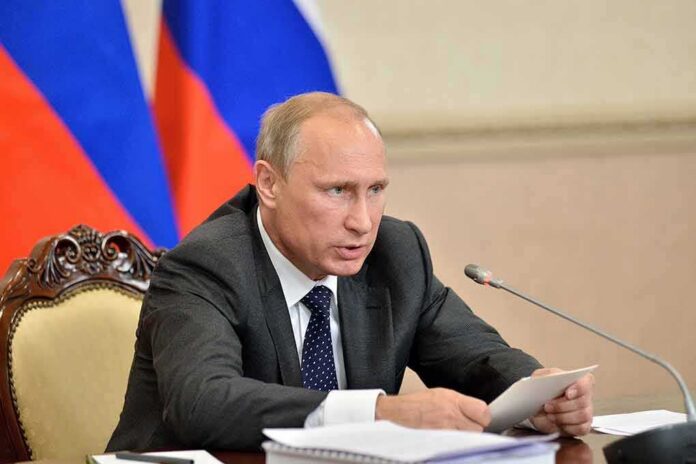
Russia paused strikes on Kyiv for 72 hours as President Vladimir Putin met U.S. envoys Steve Witkoff and Jared Kushner in Moscow to discuss a path to end the war in Ukraine.
Story Snapshot
- Putin met Witkoff and Kushner in Moscow for hours-long talks on Ukraine.
- The Kremlin announced a 72-hour pause on strikes against Kyiv during the visit.
- The Kremlin called the talks “useful,” but said no compromise deal yet.
- Backchannel diplomacy has been common throughout the war to test ideas.
What Happened in Moscow and Why It Matters
Russian President Vladimir Putin held a meeting in Moscow with U.S. special envoy Steve Witkoff and adviser Jared Kushner. The session lasted several hours, according to public reports from both sides. The Kremlin said the talks were “useful,” but also said a compromise plan was not yet in hand. The visit took place as the Kremlin announced a 72-hour pause on strikes against Kyiv, aligning a limited calm with a push to restart negotiations.
The Moscow talks fit a pattern of quiet, high-level outreach used in tough wars. These channels let leaders trade ideas without public pressure. Analysts have tracked similar efforts since the early years of the conflict, often called Track 1.5 or backchannel diplomacy. Such contacts can reduce risk, test red lines, and set the stage for formal steps. They do not guarantee a deal, but they can keep options open when official talks stall.
The Truce Window: Small Relief, Big Signals
The 72-hour pause on strikes against Kyiv offered a short window of relief for civilians and basic services. A pause of this kind is narrow and time-bound, not a full ceasefire. Still, even a brief halt can help aid groups move supplies and assess damage. It also signals that leaders see value in showing restraint while talks occur. That signal matters for families under attack, and for allies watching to judge whether progress is real.
The Kremlin’s description of “useful” talks but no compromise shows the gap that remains. Wars often end only after many rounds of talks. Prior pauses and long meetings have happened before, including a reported five-hour session in a past visit, and have not by themselves closed the distance between the sides. That history suggests patience will be needed. It also suggests that each step, even small, can build toward larger tradeoffs later if leaders choose.
How This Fits the Bigger Picture for Americans
Many Americans across the spectrum worry that Washington talks big but fails to deliver real results. This episode shows back-to-basics statecraft: stop the shooting for a moment, sit down, and test ideas. The White House’s envoys engaged directly, which can lower the risk of misread signals and widen space for a deal. If even a short pause holds, power grids can recover a little, prices for fuel and food may steady, and pressure on U.S. aid budgets can ease.
The optics of that Kremlin meeting are exactly why the next leg matters so much. Witkoff and Kushner have left Moscow, landed in Rzeszów, and are likely heading to Kyiv by train — where they’ll have to explain what Putin actually offered after three hours of talks.… pic.twitter.com/eX5sxP1gME
— UNN Media (@unn_inc) September 6, 2026
But the road is not simple. The Kremlin’s stance remains firm on core demands, and Ukraine will set its own red lines and security needs. Past pauses have not always led to lasting calm. That is why results should be judged by concrete steps: longer pauses, prisoner exchanges, safe corridors, and verifiable limits on strikes. Those are the blocks that build trust. Without them, the public will see yet another round of talk with little change on the ground.
Sources:
zerohedge.com, abcnews.com, english.nv.ua
© newsalertdaily.org 2026. All rights reserved.