
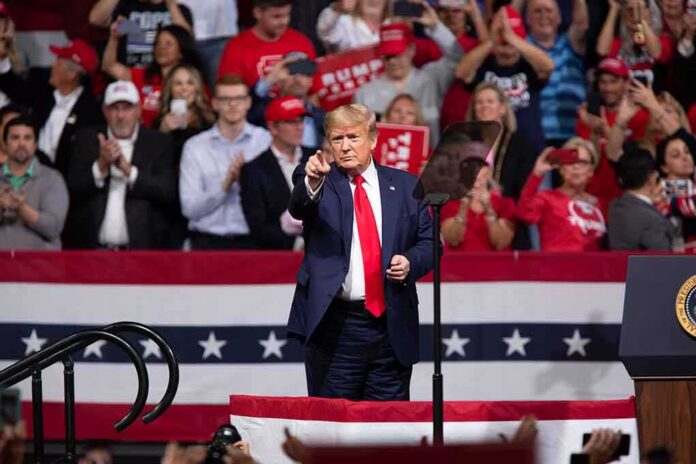
President Trump praised Flávio Bolsonaro’s election performance as a “very, very big victory” after saying he was watching Brazil’s vote “very closely,” sharpening a debate over U.S. pressure in a foreign election while stopping short of a formal endorsement.
Story Highlights
- Trump said he was following Brazil’s election “very closely” before the vote and later called Bolsonaro’s result a “big victory.”
- Flávio Bolsonaro met Trump at the White House in May and left with a photo, not an explicit endorsement.
- Senate Democrats warned the administration was using diplomatic, economic, and political pressure in Brazil.
- Reports described tariffs and other steps that Lula’s government viewed as interference.
What Trump Said And Why It Matters
On October 2, President Trump told reporters he was “following” Brazil’s election “very closely” and was “looking at the whole thing,” while avoiding a direct endorsement. Days later, after first-round results, he called Flávio Bolsonaro’s showing “close, but a very, very big victory,” according to Reuters. These remarks signaled clear favor without a formal pledge, a balance that can energize allies while limiting direct diplomatic fallout. Trump’s words quickly became campaign material in Brazil’s tense runoff.
Public comments like these can carry weight abroad. Voters often read them as a nod from Washington. Supporters of Bolsonaro highlighted Trump’s praise. Critics warned that even soft backing can tilt coverage and donor interest. Research shows foreign endorsements can spark backlash too, hurting the target with swing voters. That is why leaders sometimes use suggestive language rather than a flat endorsement. Trump’s approach fit that pattern: high visibility, low legal exposure, maximum political signal.
Contacts, Photos, And The Line Between Diplomacy And Politics
Back in May, Flávio Bolsonaro met Trump at the White House during his presidential run. Reports say the meeting yielded a photo but no endorsement statement. That image still mattered. Campaigns often use such photos to claim access and momentum. Bolsonaro allies cast the visit as normal diplomacy between ideological partners. The lack of an official endorsement let Trump keep options open while signaling affinity to Brazil’s right. That ambiguity has fueled debate on intent and impact.
Flávio Bolsonaro and his team have touted ties with Trump while denying U.S. government help. That message aims to capture the benefits of closeness without admitting improper aid. Major outlets described Trump as a preferred partner for Bolsonaro’s camp, further cementing the perception of alignment. Yet the record does not show a signed pledge or joint strategy. The public file shows proximity, praise, and timing that helped Bolsonaro shape a narrative of support without formal coordination.
Pressure Tools: Tariffs, Security Designations, And A Warning From Congress
As the campaign heated up, news reports pointed to U.S. pressure that Brazil’s government saw as interference. Senate Democrats warned the administration was using diplomatic, economic, and political tools in Brazil, and urged a halt. Coverage also described trade tariffs and moves against Brazilian criminal gangs that drew protests from President Luiz Inácio Lula da Silva’s government. The White House rejected claims of election meddling, framing steps as policy, not politics. The dispute fed charges of overreach.
El País reported that Brazil’s intelligence agency flagged interference by both the United States and Russia ahead of the vote, adding a sharper edge to the claims. Such reports are hard to weigh without underlying documents. What is clear is the timing: statements, meetings, and policy steps landed near key campaign moments. For many Americans, this looks like the same old playbook. Leaders talk values, then use trade and security levers that also shape politics abroad, with voters left to sort motive from method.
Why This Resonates With U.S. Voters Across The Aisle
Conservatives frustrated by globalism see a win if Brazil tilts toward closer ties with Washington and tougher crime policies. Liberals worried about “America First” see a problem if U.S. tools push another nation’s politics. Both camps share a deeper concern: powerful officials blend policy with politics while denying it. The Brazil story presses that nerve. Trump’s praise, a White House photo, tariffs, and congressional warnings together feel like elite statecraft that regular people never get to review.
The bottom line for readers is simple. Trump did not issue a formal endorsement. He did praise Flávio Bolsonaro’s result and kept attention on the race. Reports describe U.S. actions that Brazil’s leaders called interference, while the administration said they were routine policy. Proof of coordination has not surfaced in public. Until records do, this remains a case study in how modern power works: signals, leverage, and images that move politics without a single signed memo.
Sources:
theamericanconservative.com, latimes.com, en.mercopress.com, english.elpais.com, time.com, nytimes.com, pbs.org, reuters.com, washingtonpost.com, valorinternational.globo.com
© newsalertdaily.org 2026. All rights reserved.