

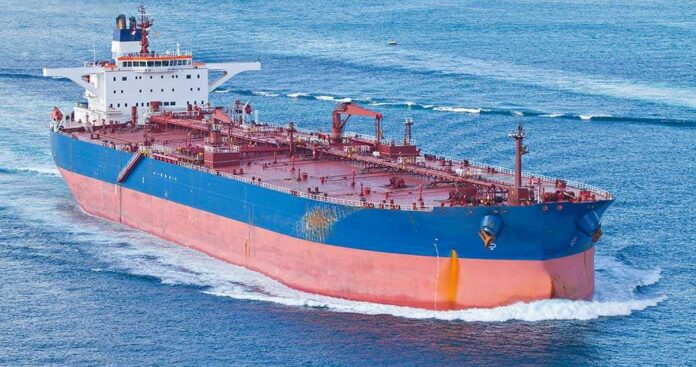
Iran’s move to “manage” the Strait of Hormuz turns the world’s key oil chokepoint into a toll gate run by unelected power players, while global elites argue over law and leave ordinary people to swallow higher prices and deeper instability.
Story Snapshot
- Iran now claims permanent authority to oversee and tax ships using the Strait of Hormuz, despite global legal pushback.
- A new Persian Gulf Strait Authority, tied to Iran’s Revolutionary Guards, is demanding permits and Iran-based insurance from commercial vessels.
- The United Nations Convention on the Law of the Sea and a recent UN resolution say Iran cannot legally restrict transit, setting up a direct clash.
- Washington’s sanctions label Iran’s toll system “illicit extortion,” but both sides are using the strait as leverage while regular families pay the economic cost.
Iran’s New Claim: Control the Chokepoint, Control the World
Iran’s foreign minister and senior lawmakers now say Tehran will oversee passage through the Strait of Hormuz not only during war but in peacetime, treating it as a permanent national right.[1][4] They describe this as “management” and “monitoring” of traffic done with Oman and enforced by Iran’s armed forces, especially the Islamic Revolutionary Guard Corps.[1][4] In practice, Iran has already used its military power to block or allow tankers based on politics, creating a two-tier passage system where friendly or neutral states can negotiate access while others are squeezed.[6][8]
Iran’s leaders frame this control as self-defense and legal enforcement, not aggression, saying they are protecting national security, the environment, and maritime safety during armed conflict with the United States and Israel.[1] Legal papers sympathetic to Iran argue Tehran could lawfully close the strait to U.S. and Israeli vessels as “enemy” traffic while still allowing other countries to pass.[6] For many Iranians, this claim looks like long-sought leverage against sanctions and foreign pressure, turning geography into a weapon after years of economic pain.
The Persian Gulf Strait Authority: A Toll Booth in All but Name
To turn this claim into daily control, Tehran created the Persian Gulf Strait Authority, reportedly run by Iran’s Revolutionary Guards, to handle permits and insurance for ships.[3][4] A leaked memorandum says all commercial vessels must apply for passage permits, buy Iranian-approved insurance, and follow strict single-use routes through the strait.[4] This means Iran can decide who gets paperwork, who is insured, and who moves, giving the authority enormous power over global energy flows and shipping schedules.[3][4]
The same document reportedly limits ships to a single passage and bans route changes, which clashes with the basic idea of “continuous and expeditious transit” that protects shipping in international straits.[4][18] Iran is also pushing a “Strait of Hormuz Management Plan” in parliament that would let it tax global shipping in Iranian currency, forcing companies to touch Iran’s financial system even when sanctions apply.[5][3] For many Americans who already distrust global finance and unaccountable agencies, this looks like one more opaque structure where unelected actors profit while ordinary consumers pay higher prices at the pump.
International Law: Why the World Says Iran’s Move Is Illegal
Most international law experts say Iran’s new system violates the rules that keep key straits open to everyone.[8][18] The United Nations Convention on the Law of the Sea says ships of all nations have a right of transit passage through straits used for international navigation, and that this passage “shall not be impeded.”[18] Under this regime, coastal states like Iran and Oman can set safety rules and traffic lanes, but they cannot block or tax normal transit just because they want leverage or revenue.[15][16]
Like the 1973 OPEC embargo reshaping global energy flows overnight, today’s quiet U.S. Treasury move signals a pragmatic pivot in the post-Iran conflict landscape.
On June 22, 2026, OFAC issued General License X: a 60-day exemption (through August 21) authorizing production,…— ResourceGeopolitics (@ResGeoPol) June 26, 2026
Iran has not ratified this convention and insists the Strait of Hormuz is subject only to its own 3‑mile territorial sea and older rules, yet legal studies say most countries treat the convention’s strait rules as binding custom.[2][21] A recent UN Security Council resolution condemned Iran’s attacks and selective closures as threats to peace and breaches of international law, undercutting Tehran’s claims of legitimacy from the highest global body.[1] The International Maritime Organization has also stressed that no single country has a legal right to block shipping in such straits, reinforcing the view that Iran’s new “management” crosses the line.[12]
U.S. Sanctions, Global Elites, and the People Caught in the Middle
The United States government answers Iran’s toll system with its own heavy tools: sanctions and financial warnings.[17] The Office of Foreign Assets Control at the Treasury Department now labels the Persian Gulf Strait Authority an “illicit financial extortion arm” of Iran’s Revolutionary Guards and warns that paying Iran’s strait tolls may count as funding its war machine.[17] Shipping companies that cooperate with Iran’s scheme risk being cut off from U.S. banks, insurance markets, and even basic dollar transactions that keep global trade running.[3]
Meanwhile, analyses show insurance costs for tankers have jumped and fuel prices have spiked as attacks and closures spread fear across the shipping industry.[21][10] This crisis fits a familiar pattern many Americans recognize: powerful states and global institutions fight over control and profit, using complex legal claims and sanctions, while regular people see only higher bills, weaker savings, and more tension abroad.[1][2] Both conservatives and liberals who doubt the honesty of the “deep state” see yet another example of distant elites turning a vital waterway into a bargaining chip, without any clear plan to protect the basic promise that hard work should lead to a stable, decent life.
Sources:
[1] YouTube – Iran will oversee reopening and operation of Strait of Hormuz, foreign …
[2] Web – The Strait of Hormuz as a Key Theater of War—The Legal Dimension
[3] Web – The Legal Regime of the Strait of Hormuz and Attacks Against Oil …
[4] Web – How International Law Restricts the Use of Military Force in Hormuz
[5] YouTube – Iran’s New “Insurance” Rule: Controlling the Strait of Hormuz
[6] Web – #Iran is moving from military muscle to legal mandates. The Iranian …
[8] Web – Legal Dimensions of Iran’s Control over the Strait of Hormuz – JuWiss
[10] Web – Iran’s Legal Strategy in Hormuz – Völkerrechtsblog
[12] Web – Iran creates new agency to control shipping in Strait of Hormuz while …
[15] Web – The Potential-Use Test and the Northwest Passage
[16] Web – [PDF] Freedom of Navigation: New Challenges – itlos
[17] Web – Clarifying freedom of navigation through straits used for …
[18] Web – Chapter 3: Freedom of Navigation – Law of the Sea – Tufts University
[21] Web – [PDF] United States Responses to Excessive National Maritime Claims
© newsalertdaily.org 2026. All rights reserved.