

Police say a Florida man weaponized a common food by mailing a peanut-butter-smeared card to a woman with a severe allergy.
Story Snapshot
- Plantation Police arrested a 68-year-old man accused of mailing a peanut-butter-covered card to his ex-wife’s friend.
- The woman reported hives and tingling after opening the greasy blue envelope and card in August 2025.
- Investigators tied postage details and kiosk images to the suspect and charged him with aggravated battery and culpable negligence.
- The case highlights how allergens can be misused to threaten or harm, a pattern seen in broader research.
Police Allegation: Allergen Used as a Weapon in Mail
Plantation Police in Broward County arrested Joseph Gerard Cancellare Jr., 68, on charges that he mailed a greeting card smeared with peanut butter to his ex-wife’s close friend, who has a severe peanut allergy. Police reports say the woman opened a greasy blue envelope at home in August 2025 and found the card covered in a substance she recognized as peanut butter. Officers say Cancellare blamed the woman for his divorce, which they allege explains the target and timing of the mail piece.
The woman told police she dropped the card, washed her hands, and later developed hives on both arms and tingling that lasted about six hours. She did not report using an epinephrine auto-injector. Police say the substance was consistent with peanut butter, and the victim’s symptoms matched exposure concerns common for people with severe allergies. Officers emphasized that the act itself, not the dose, can pose real risk when a known allergen is involved.
Evidence Cited: Envelope Details and Postal Trail
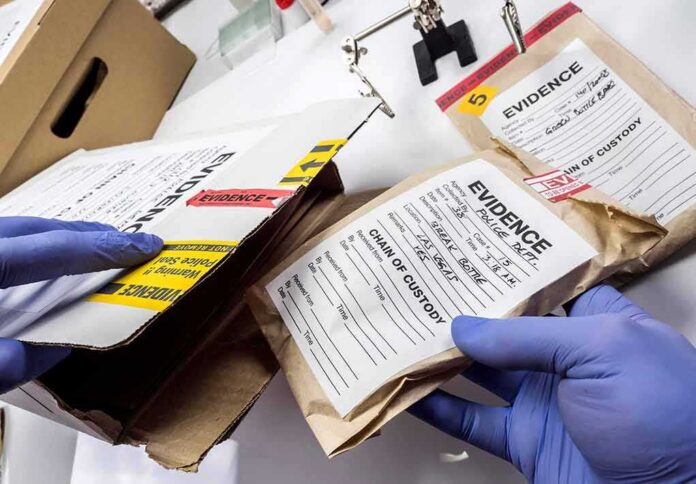
Investigators described a paper trail they say ties the mailing to Cancellare. Reporting based on the probable-cause affidavit says officers traced postage details, including a stamp code, and obtained images from a self-service postal kiosk used in Davie around the time of mailing. Police say those details linked back to the suspect. He was booked into the Broward County Jail on counts of aggravated battery with a deadly weapon and culpable negligence. The case remains at the charging stage, and guilt has not been determined in court.
Local coverage says police believe the suspect knew about the victim’s allergy and sent the card to harass and endanger her. Reports reference the greasy blue envelope, a green card, and a strong odor that the victim associated with peanut butter. Officers documented the victim’s statement and physical reaction. Prosecutors often weigh knowledge and intent in such cases, since the risk from a known allergen can satisfy elements tied to a “deadly weapon” claim under state law when harm is foreseeable.
Why It Matters: Everyday Items, Real Harms, Shared Fears
This case draws attention to a wider pattern: using allergens to threaten or harm people with severe food allergies. National advocacy materials and studies describe bullying or harassment that involves waving allergens, placing them on objects, or causing cross-contact, creating both fear and medical risk. One review found bullying of food-allergic children often includes physical threats with allergens, not just taunts, underscoring how a simple item can become dangerous in the wrong hands.
Many readers are tired of leaders who ignore day-to-day threats that fall between categories—neither major terror nor petty mischief. An alleged peanut-butter assault sounds absurd, yet it shows a gap that frustrates both the left and the right: people can exploit everyday systems, like the mail, to harm others while authorities chase paperwork and backlogs. When a basic errand becomes a health risk, it fuels the view that the system reacts after the damage, not before.
Sources:
cp24.com, local10.com, newsfinale.com, focalnews.org, cw34.com, pmc.ncbi.nlm.nih.gov, academic.oup.com
© newsalertdaily.org 2026. All rights reserved.