
A customer opened fire at a South Carolina gun show, and a deputy working security shot back and killed him, authorities said.
Story Snapshot
- Deputy was shot while working security at the Jamil Temple gun show and returned fire.
- Officials identified the deceased as 34-year-old Telvin Pierre Portee.
- Sheriff’s office reported no ongoing threat after the shooting.
- State investigators took over the use-of-force review, which is standard.
What Officials Say Happened at the Jamil Temple
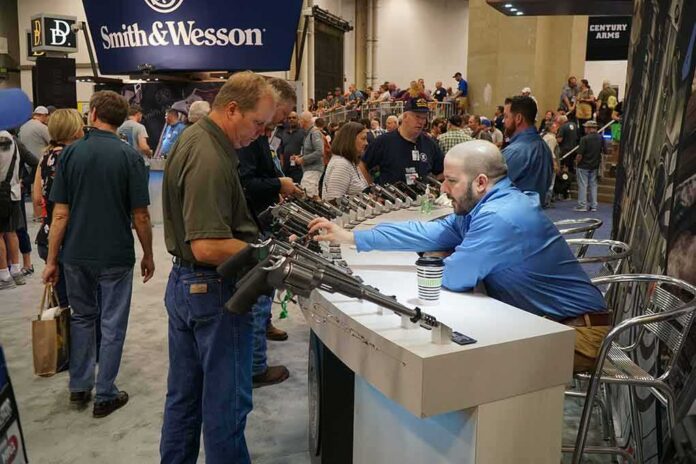
Lexington County authorities said a deputy working security at the South Carolina Arms Collectors Association event at the Jamil Temple in Columbia was shot by a customer who fired at him on November 14, 2026. The deputy returned fire and killed the shooter at the scene, according to the sheriff’s office. The event drew families and vendors for a weekend gun and knife show. The sheriff’s office said the immediate danger ended once the shooter was stopped.
Officials identified the deceased as Telvin Pierre Portee, age 34. The county coroner reported that Portee died at the scene from a gunshot wound. Authorities did not release the deputy’s name. The sheriff’s office described the deputy as a Lexington County deputy assigned to event security. The office did not publish details on the type of firearm used, the number of shots, or the distance between the two men during the exchange.
Deputy’s Condition and the Immediate Response
The sheriff’s office said the deputy sustained a gunshot wound, was taken to a hospital, and underwent surgery. Officials described his condition as stable after treatment. Emergency crews cleared the venue and secured the area. The sheriff’s office told the public there was no continuing threat linked to the shooting at the gun show site. That message aimed to calm fears for people in nearby neighborhoods and for attendees who had already left.
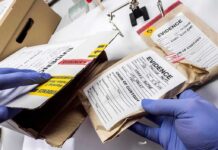
Deputies requested that the South Carolina Law Enforcement Division handle the investigation. That is common practice in the state when a deputy uses deadly force. State investigators will review the use of force and gather forensic evidence. They will also collect statements, venue rules, and any relevant recordings. Authorities did not release a full timeline or ballistics data at this early stage of the case.
Why This Case Draws Wide Attention
The setting adds weight. A gun show is a place where people expect strict safety rules and controlled handling of firearms. An exchange of gunfire there strikes at basic trust in public order, which both conservatives and liberals share. Many readers worry that leaders talk about safety but do not deliver it, whether the risk comes from violent crime, weak security, or slow systems that fail to flag danger before it erupts.
Deputy kills man accused of shooting at him during gun show. Link in bio. pic.twitter.com/dvNUain0yx
— KWQC TV6 News (@kwqcnews) November 16, 2026
Legal standards will shape next steps. Courts judge police force by what a reasonable officer knew during the moment, not with hindsight. Supreme Court rulings such as Graham v. Connor and Tennessee v. Garner define that test. They focus on the threat level, whether the person posed a danger, and whether deadly force was reasonable in that instant. Investigators will compare those standards to the facts gathered from the venue and witnesses.
How Investigators Typically Evaluate Incidents Like This
Investigators will look at several items. They will check any video from the venue or nearby cameras. They will review 911 calls, radio traffic, and dispatch logs. They will examine medical and autopsy findings to map wound paths. They will count casings and test firearms to confirm function. They will match statements from staff, vendors, and attendees to physical evidence. These steps aim to confirm who fired first and how quickly the deputy responded.
What Comes Next for the Community
State investigators will share results with prosecutors, who decide if charges or policy changes are needed. If the shooting aligns with the law and training, officials will say so. If gaps appear, leaders may adjust rules for event security, screening, or staffing. People across the spectrum want safer public spaces and clear answers when force is used. A thorough review can help restore trust while respecting due process and the facts on record.
Sources:
us.cnn.com, apnews.com, hastingstribune.com, panhandle.newschannelnebraska.com, myrtlebeachonline.com
© newsalertdaily.org 2026. All rights reserved.