
A United Airlines flight sent a hijack alert after a passenger claimed he had a bomb and tried to reach the cockpit, yet the plane still landed safely and the suspect was arrested.
Story Highlights
- Passenger allegedly claimed he had a bomb and moved toward the cockpit on United Flight 2174.
- Pilots sent a hijack alert; the flight landed safely in New Orleans with no injuries reported.
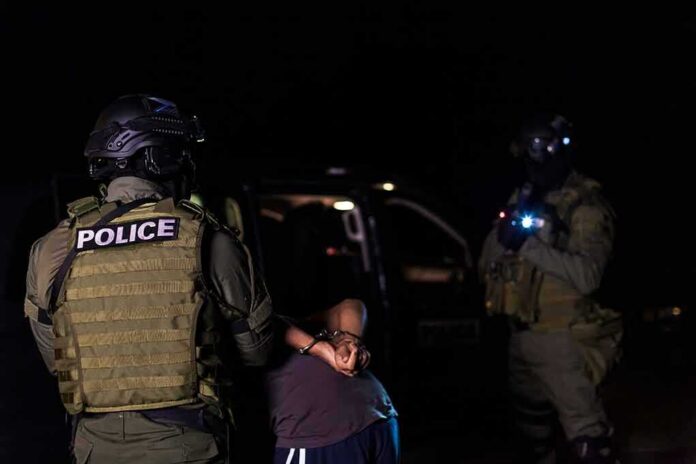
- Sheriff’s deputies arrested the suspect and booked him on felony charges tied to a false bomb report.
- Incident comes amid many hoax threats and a rise in unruly passengers in recent years.
What Happened Onboard United Flight 2174
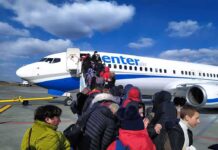
Jefferson Parish deputies said a 34-year-old passenger told crew he had a bomb and then moved toward the cockpit on United Flight 2174 from Newark to New Orleans late Monday. Pilots issued a hijack alert as crew contained the situation and prepared to land. The aircraft carried 46 passengers and six crew members, and it arrived safely at Louis Armstrong New Orleans International Airport. Deputies arrested the suspect without incident after landing and began a criminal investigation.
Authorities said the man’s statements triggered standard safety steps. Crew notified the cockpit, followed security procedures, and prioritized a safe landing. The Jefferson Parish Sheriff’s Office reported the suspect was booked on counts linked to communicating false information about a planned arson and terrorizing. Officials did not report injuries or damage. United Airlines said the safety of customers and crew guided the response. The account aligns across multiple outlets citing local law enforcement and airline statements.
Charges, Status, and What Officials Say
The Jefferson Parish Sheriff’s Office described the in-flight threat as a false report and said deputies took the man into custody after arrival. Booking reports referenced felony counts tied to terrorizing and false information about an explosive threat, reflecting state laws that treat bomb claims as serious crimes even when no device is found. Local officials emphasized that crew actions and pilot alerts were appropriate to the threat reported at the time. The investigation remains active under local jurisdiction.
Separate reporting identified the suspect as a noncitizen with prior removals from the United States, citing Department of Homeland Security information shared with media. These accounts linked his history to previous immigration enforcement actions. While those details fuel wider policy debate, the flight facts remain clear: the plane landed safely, the cockpit was not breached, and the suspect was arrested and booked on felony charges following established aviation and law enforcement protocols.
How This Fits A Wider Security Pattern
Recent weeks brought a wave of bomb threats against flights in Europe. Officials called most of them hoaxes, but each one forced diversions, searches, or escorts because airlines must treat every threat as real until cleared. Reuters reported that the vast majority of bomb threats prove false, yet they still strain crews, passengers, and police. This incident followed that same rule: act fast, land safe, and let investigators sort fact from fiction afterward.
✈️ United flight triggers hijack alert after passenger claims bomb threat.
A suspect attempted to storm the cockpit on a flight bound for New Orleans.
Authorities arrested the individual following the mid-air security incident.#AviationSafety #UnitedAirlines pic.twitter.com/D8K8y4RPaD— WorldScopeX (@WorldScopeX2) November 11, 2026
The Federal Aviation Administration reported 2,102 unruly passenger cases in 2024, showing that disruptive behavior in the air is still a real concern. Security experts also track higher-level threats, including attempts to approach or breach the cockpit, which demand quick crew decisions. Tough penalties, lifetime bans, and criminal charges are part of the response playbook meant to deter these events. Monday night’s arrest fits that model of swift accountability after a high-stakes scare.
Why Both Sides See A System Problem
Air travelers want basic safety and steady rules, but they also want common sense. Conservative readers point to border security and court decisions they view as too lenient. Liberal readers point to worker training, passenger mental health, and gaps that widen risk and stress. Both groups see a system that often reacts after a scare, not before it. When a false claim can force a hijack alert mid-flight, people feel like the guardrails only show up at the last second.
Airlines and law enforcement did their jobs here. The crew followed procedure. The pilots landed the plane. Deputies made an arrest. Still, the pattern is costly in time, money, and trust. Hoax threats drain resources that should protect against real danger. Unruly behavior saps the focus crews need for safety. Leaders across agencies and courts can strengthen deterrence, tighten coordination, and speed reliable checks—so the next alert is rarer, shorter, and less likely to test luck instead of planning.
Sources:
pjmedia.com, people.com, en.royanews.tv, firstpost.com, timesnownews.com, dailymail.com, kpel965.com, newsnationnow.com
© newsalertdaily.org 2026. All rights reserved.