
A federal judge again froze parts of President Trump’s mail-voting plan, saying the White House and Postal Service overstepped their legal powers.
Story Snapshot
- Judge Indira Talwani extended a block on the executive order’s key mail-voting provisions.
- The League of Women Voters case won a renewed, nationwide halt on Section 3 for now.
- The Postal Service said it will not implement the rule for 2026 unless courts lift injunctions.
- Court fights continue as the rule would add state list and barcode requirements for ballot mailings.
What The Judge Decided And Why It Matters
Judge Indira Talwani in Boston said President Trump could not order the Department of Homeland Security to compile voter-eligibility lists, and that the United States Postal Service lacked legal authority to set binding rules for mail-in voting. Her earlier orders blocked parts of the plan, and she has continued that relief as new filings arrived. The ruling keeps limits on federal action in place as midterms near, and it signals that authority, not only policy, is the central fight.
The League of Women Voters case won a nationwide preliminary injunction against implementing Section 3 of Executive Order No. 14399, which addresses mail ballot handling. Plaintiffs also filed an emergency motion to stop any steps that would refuse to send or return ballots under the order. These filings argue that changing mail-ballot rules so close to elections could block or delay lawful votes. The court’s orders keep current state systems in place while the case proceeds.
What The Postal Service Planned To Do
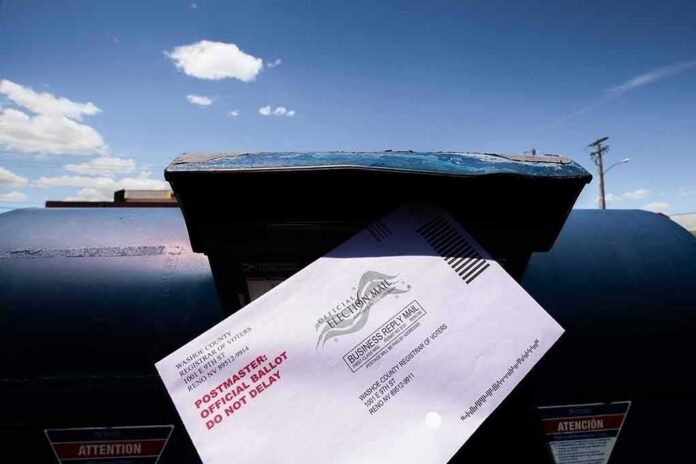
Reuters reported that the Postal Service’s final rule would have required states to send lists of voters who received mailed ballots and to place unique barcodes on outbound and return envelopes. The Congressional Research Service said the agency also stated it would not implement the rule for the 2026 election unless courts lifted existing injunctions. These steps were framed as chain-of-custody upgrades, but they would have added new tasks for state officials on tight election calendars.
Another Reuters report said the court later issued a temporary restraining order against core parts of the rule, including some design standards and directions to refuse noncompliant outbound federal ballots. That order lasted 14 days while the judge weighed a longer block. Together, these actions show the legal back-and-forth that leaves states guessing about what rules apply. The moving target feeds public distrust and adds stress to already pressed local offices.
How Both Sides Frame The Stakes
The White House said the executive order was needed to protect the mail as a channel for federal ballots and to set uniform standards for ballot handling. Supporters say using state lists and unique barcodes would cut fraud and improve tracking. Opponents argue the Constitution gives states, and Congress by statute, the lead role in election rules, and say the Postal Service should not decide who gets a ballot or which envelopes qualify for delivery. The judge’s rulings so far back that view of legal authority.
Judge Indira Talwani’s September 4, 2026 preliminary injunction is a major immediate legal setback for the Trump administration’s USPS ballot-mail rule: she concluded that the challengers are likely to succeed in showing that USPS lacks congressional authority to impose these…
— Lucky Mendez (@lucky_mendez3) September 5, 2026
The big concern across the spectrum is simple: late rule shifts can stop real voters. Courts have not issued a final merits ruling on the order or the rule, so the legal fight is not over. But for now, the judge’s orders block enforcement that could cause ballots to be delayed or rejected for design or list issues. The deeper issue is trust. People on the left and right see a system run by insiders, and this confusion only confirms that fear.
Sources:
cnbc.com, brennancenter.org, lwv.org, axios.com, aclum.org, congress.gov, dailysignal.com, npr.org
© newsalertdaily.org 2026. All rights reserved.