
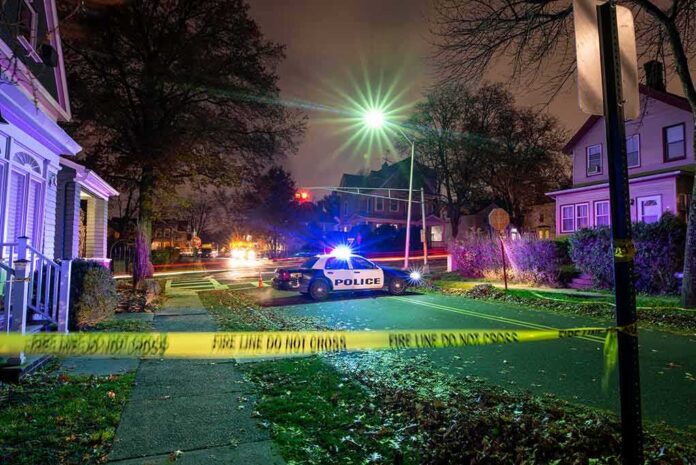
More than 35 people were shot or hurt when gunfire ripped through a packed Georgia block party, despite deputies already on scene.
Story Snapshot
- Georgia Bureau of Investigation says 2 died and 35 were injured at a Vienna block party.
- Shots began around 1:25 a.m. on Pine Street while deputies were patrolling the event.
- State and local authorities say the investigation is active; no wider motive confirmed yet.
- Large late-night crowds create high risk when disputes turn to gunfire, experts note.
What Happened in Vienna, Georgia
Georgia Bureau of Investigation officials said gunfire broke out at a neighborhood block party in Vienna at about 1:25 a.m. on October 4, 2026. The shooting left two people dead and 35 others injured. Dooly County deputies were already patrolling the gathering on Pine Street when shots were fired. State investigators said the case remains open and active. Officials have not named suspects or released a motive so far. The scene drew hundreds, which complicated the response and evidence collection.
Local and national outlets reported the party aligned with homecoming weekend events, which drew a very large crowd. Reports cited more than 1,000 people in the area and dozens of shots fired, underscoring how fast a celebration can turn deadly when guns enter the mix. Those figures help explain why the injury count climbed so high, even with only a few shooters. Early details may shift as interviews and forensic work continue, but the casualty count is established.
Why the Injury Count Was So High
Mass-casualty shootings at crowded parties often start with a brief clash and end with many bystanders hit. Public-health and crime researchers point to fast escalation, peer pressure, and easy access to firearms as core drivers. When gunfire erupts in tight spaces, stray rounds and panic injuries stack up quickly. Analysts say teens and young adults are especially at risk in these late-night settings, where social media, status fights, and alcohol can fuel rash choices that turn lethal.
Georgia data echo that conflicts often precede youth homicides. State health research shows that arguments or disputes are common triggers in adolescent and young adult killings. That pattern fits what communities have seen after large weekend gatherings. While every case is unique, the structure is familiar: a big crowd, a spark, and then a wave of harm far beyond the initial dispute. This is why police presence alone cannot always stop a sudden burst of shots once tensions snap.
How Officials Are Responding and What Comes Next
State agents and local deputies are interviewing witnesses, gathering video, and processing shell casings to track specific guns. Investigators often match recovered rounds to known weapons and pull phone videos to map shooters’ paths. That work can take days or weeks. Officials urged witnesses to come forward, which is key when dark, crowded scenes hide who fired first. Authorities have not released victim names as families are notified and medical care continues.
Not to be confused with this other mass shooting which was last week
Georgia park mass shooting wounds 11 teens at birthday party – CBS News https://t.co/HdIomagmpl— SueinPhilly שנה (@sueinphilly) October 4, 2026
Communities across the political spectrum share a core worry when scenes like this repeat: basic safety is slipping in public spaces. People want to enjoy a homecoming event without fear. Readers also ask why, with so many officers and programs, the system still fails to stop preventable violence. That frustration is real. It will take steady policing, local leadership, and community help to change the risk profile at these high-crowd events, not slogans or quick fixes.
Sources:
yahoo.com, nbcsandiego.com, fox5atlanta.com, nypost.com
© newsalertdaily.org 2026. All rights reserved.