
Russia’s top leaders shut the door on a ceasefire-first track for Ukraine talks and said the war will not pause for diplomacy.
Story Snapshot
- The Kremlin said there is no near-term path to restart talks, while keeping talks “open” in theory.
- Foreign Minister Sergey Lavrov said Russia will not agree to a ceasefire for the sake of negotiations.
- Ukraine and key European leaders want an immediate and complete ceasefire before any talks begin.
- Both sides battle over sequencing: stop fighting first or set end-state terms first.
What Moscow Said In The Last Ten Days
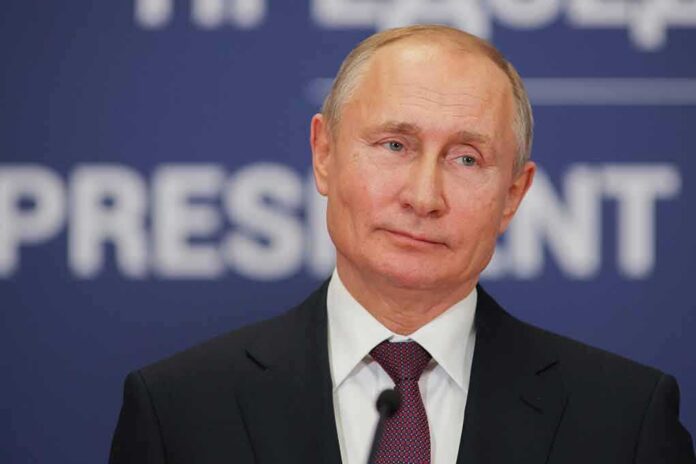
Kremlin spokesman Dmitry Peskov told reporters Russia sees no immediate chance to resume peace talks with Ukraine. He added that Moscow remains open to the idea of negotiations, but he named no next steps or dates. Foreign Minister Sergey Lavrov reinforced that line in separate remarks. He said Russia will not pause military operations for talks and wants a settlement that it calls “sustainable” and “just,” not a short truce that freezes the front. Together, the statements mark a firmer Russian stance.
Russian officials also pushed back on reported new proposals. Peskov called recent media chatter about United States and Ukraine ideas “speculation” and said the Kremlin has seen nothing concrete to assess. This posture lets Moscow claim openness while setting strict limits on process. The message is simple: talks can happen, but only on Russia’s terms, only when Moscow sees value, and without any temporary halt to the fighting that could reduce Russian leverage at the front.
How Kyiv And Europe Define A Path To Talks
Ukraine’s president and close European allies outlined five conditions for a “just and lasting” peace. They said talks need an immediate and complete ceasefire and should start from the current line of contact. They also asked for security guarantees for Ukraine to prevent a repeat of past attacks. Ukraine’s negotiator, Dmytro Kyslytsa, said Kyiv’s current stance is to freeze the fighting along the present frontline. That position aims to stop civilian harm and buy time for a broader deal.
These demands frame a clear clash with Moscow. Kyiv and European leaders want quiet first, then details. Moscow wants end-state terms first, then quiet. Supporters of Ukraine argue that Russia has used ceasefires in other conflicts to regroup and attack again. A Chatham House analysis warns that a rushed ceasefire could lock in risk and lead to new violations that hurt Ukraine and Europe later. That fear shapes calls for strong monitors and real consequences for any breach.
Why Sequencing Drives The Stalemate
Lavrov said Russia will not accept a ceasefire “for the sake of” talks, citing “bitter experience” with pauses that did not lead to peace. This view puts military momentum ahead of diplomatic steps. Ukraine and its partners argue the reverse. They say a ceasefire reduces deaths now and creates space for hard talks on territory, prisoners, and security. The Institute for the Study of War has also tracked European support for an “immediate and complete” ceasefire tied to direct talks that include the United States and Europe.
🎙 Statement by Foreign Minister Sergey Lavrov at the General Debate of the 81st Session of the UN General Assembly* (New York, September 26, 2026)
💬 Over the past few days, both from this rostrum and on the sidelines of the General Assembly, we have repeatedly heard that… https://t.co/RGoU9t0gn0 pic.twitter.com/CocM5PLly8
— 𝐃𝐚𝐯𝐢𝐝 𝐙 🇷🇺 🇷🇸🇮🇪 (@SMO_VZ) September 27, 2026
The gap matters for Americans watching costs and risks rise. A war with no talks means more aid debates, higher energy and food swings, and a steady drain of focus from our own border, crime, and debt problems. A weak deal that only pauses fire could also backfire. It could set the stage for a new round of fighting after both sides rearm. In short, a bad peace or endless war both hit family budgets and test our values on security and fairness.
What To Watch Next For Real Movement
Watch whether Moscow responds to any written plan with concrete counterproposals rather than broad dismissals. Reuters reported that the Kremlin has asked for specifics and called recent reports vague. Also track if Ukraine and its backers can pair a ceasefire idea with strong verification and penalties. If that package is clear and public, it will test Russia’s claim that it only rejects weak, short-term pauses. Clear terms reduce spin on both sides.
Americans across the spectrum worry that elite deals often hide costs while failing to solve the core problem. That risk is real here. Any plan that trades a quick calm for a later blowup does not serve the public. A sound approach needs three parts: a verifiable halt to strikes, strict monitoring that both sides accept, and a roadmap to settle borders and security that does not reward fresh aggression. Without those pieces, today’s hard line from Moscow and Kyiv’s ceasefire-first stance will stay far apart.
Sources:
reuters.com, aa.com.tr, npr.org, understandingwar.org, themoscowtimes.com
© newsalertdaily.org 2026. All rights reserved.