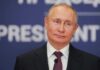

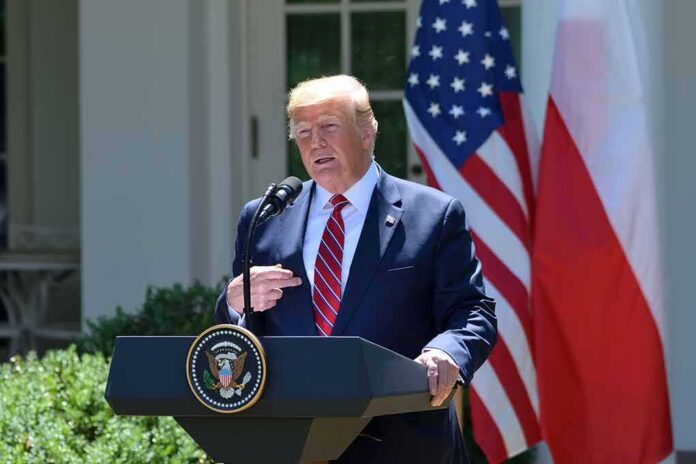
At a Mobile, Alabama rally weeks before the midterms, President Trump told supporters to “pretend I’m on the ballot” — a direct bid to turn personal loyalty into votes for Republicans.
Story Highlights
- Trump urged voters in Mobile to “vote like I’m on the ballot,” pressing turnout for Republicans.
- He claimed Republicans hit “44 percent” when he is not on the ballot, offering a stark benchmark.
- The stop fits a wider push through safe red states to juice midterm participation.
- Midterm turnout historically lags presidential years, which both parties try to counter.
Trump’s Message: Treat Midterms Like A Presidential Race
President Trump told a Mobile crowd to “close your eyes and pretend I’m on the ballot,” urging them to vote straight Republican and treat the midterms like a nationalized test of his agenda. He framed the line as a fix for voter drop-off when he is not personally running. The appeal was simple: show up, vote down ballot, and send a message. The one-liner drew quick coverage because it turns personal identity into a turnout tool, not just an applause line.
Trump also linked the appeal to a numeric claim. He said Republicans suffer when he is not on the ballot, citing “44 percent” as a rough outcome in those cases. Reporters recorded the figure as his assertion; they did not present a source or method for it. The line supports a broader theme he repeats at rallies: his name, presence, and brand can pull low-propensity backers to the polls. That theory tries to fight midterm drop-off with a personal cue rather than policy detail.
Why Alabama? Building Turnout From Safe Ground
Trump chose deep-red Alabama to send this message, thanking loyal voters while pushing support for Republicans on the ballot, including Senator Tommy Tuberville and down-ballot hopefuls. The Associated Press reported the stop as part of a larger sprint to energize the base before elections that decide control of Congress. Public radio in Alabama described the visit as an effort to shore up turnout next month. The swing-state map may be narrow, but base areas can still add seats at the margins.
NPR reported the Alabama and Oklahoma trips were designed to make sure core supporters vote this fall, even if the states are not top battlegrounds. The strategy follows a classic play: lock down the base, then hope enthusiasm travels to nearby competitive districts through media coverage and social sharing. Party strategists know midterm turnout usually drops from presidential levels. They also know simple, memorable cues can motivate action better than long speeches or policy white papers.
The Turnout Gap: History And The Playbook
U.S. turnout patterns create the problem Trump wants to solve. Midterms draw fewer voters than presidential years, often by a large margin. Analysts have tracked this for decades and expect it again this cycle. Campaigns in both parties try to close the gap with easy calls to action and clear voting steps. Leader-centered appeals can work when they make voting feel personal and urgent. They can also fall flat if they do not pair emotion with steps on how and when to vote.
Trump’s wording fits research that shows personalized messages can spur participation, especially among people who vote less often. But the strength of that effect depends on follow-through: registration checks, deadlines, polling place details, and reminders to return mail ballots on time. In Mobile, the focus was on energy and allegiance. The test is whether that energy turns into ballots cast where control of Congress may be decided in close races.
What This Means For Voters Who Feel Washington Is Failing
Many Americans on the right and left feel Washington ignores their daily struggles. They see soaring costs, weak services, and leaders who protect their jobs first. Trump’s line aims straight at that anger. It says, “Treat this vote like the big one.” Supporters hear a promise of pushback against the elites. Critics hear personality politics. Either way, it is a reminder that turnout, not tweets, decides who writes the laws and who sets the country’s path.
🚨 Trump has a message for his supporters ahead of the midterms:
“Can everybody just close your eyes and pretend I’m on the ballot?”
Trump is urging his MAGA base to show up in November as if he were running himself. pic.twitter.com/7forCE5PYy
— Uncolonized minds (@uncolonizedm) October 3, 2026
The bottom line is simple. Trump asked voters in Alabama to show up and vote Republican as if his name were printed at the top. Reporters across outlets recorded the same message. The math of the “44 percent” claim remains his own, but the strategy is clear and familiar. In a low-trust era, both parties will try any legal lever to get their people to the polls. Personalized cues are one of the oldest, and they may matter most when everything feels broken.
Sources:
newsfromthestates.com, al.com, lagniappemobile.com, clickondetroit.com, sg.news.yahoo.com, npr.org
© newsalertdaily.org 2026. All rights reserved.