
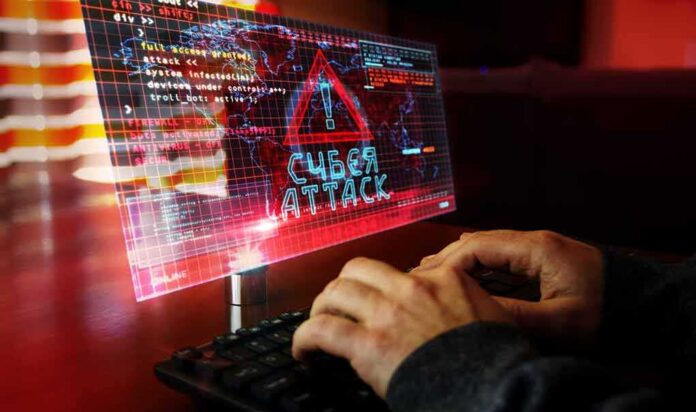
U.S. officials have tied North Korea’s state-run hacker units to billion-dollar cyber heists that help fund the regime’s power and weapons programs.
Story Snapshot
- U.S. Treasury named Lazarus Group, Bluenoroff, and Andariel as North Korean state-controlled hacking arms.
- Officials say North Korea trains cyber operators to steal and launder money from banks and crypto firms.
- Justice Department cases link named hackers to the Reconnaissance General Bureau and theft schemes.
- Reuters describes a talent pipeline that selects and grooms young students for elite cyber units.
Washington’s Record Linking Pyongyang to State-Run Hacking
U.S. Treasury formally identified Lazarus Group, Bluenoroff, and Andariel as entities of the North Korean government linked to the Reconnaissance General Bureau. That move treated the hackers as arms of the state and imposed sanctions to cut their funding and reach. Treasury later said the Democratic People’s Republic of Korea trains cyber actors to target and launder stolen funds from financial institutions, moving theft from banks to digital assets as the landscape shifts. These actions set a clear government line on who is responsible.
The U.S. Department of Justice charged named North Korean programmers in cases that detail how the schemes worked. A 2018 complaint alleged Park Jin Hyok was part of the Lazarus Group and worked through a front company to support operations tied to the state. A 2021 indictment described three military intelligence hackers accused of a broad campaign that hit banks, companies, and cryptocurrency targets around the world. These filings lay out methods like spearphishing, malware, and fraudulent transfers.
From Banks to Blockchains: How the Targets Evolved
Treasury and Justice Department materials describe an evolution in North Korea’s cyber playbook. Early efforts focused on bank networks and money transfers. Over time, attention moved to cryptocurrency exchanges and blockchain bridges, where security gaps can be large and funds move fast. Treasury also highlighted a specific institution, Pyongyang University of Automation, as a premier training hub whose graduates often enter units under the Reconnaissance General Bureau, tying skills to operations. The aim is simple: raise hard currency despite sanctions.
Officials have pointed to concrete thefts as evidence of capacity. Treasury attributed roughly six hundred twenty million dollars stolen from the Ronin blockchain project in March 2022 to Lazarus Group, showing the scale of single operations. Such cases illustrate why Western agencies now treat cyber theft as a core North Korean revenue stream, not just a nuisance. The money does not pass through normal banks, so tracing and freezing require new tools, faster actions, and tighter public-private teamwork.
Building the Talent: Reported Pipeline From Classroom to Keyboard
Reuters reporting, based on interviews with a named former trainer and defectors, describes a pipeline that identifies about one hundred fifty to two hundred children each year for advanced training. The program reportedly starts around ages eleven to twelve, channels the best students to elite schools, and places top performers into military cyber units after university. These accounts also note study in math, coding, and foreign languages to support operations outside North Korea’s borders. External records in North Korea remain limited.
🔐 North Korea’s Secret Army of Hackers: How Kim Jong Un Built a Cyberwarfare Machine Behind the 3 Billion Binance Heist
-Fact Checker: ✅: 5 ❌: 0 || 5/5 → Score: 100% 🦾
-Prediction: 📈 4 Positive | 📉 1 Negativehttps://t.co/c3r4wCaimI— Undercode News (@undercode_news) November 6, 2026
U.S. designations reinforce part of this picture by naming Pyongyang University of Automation as a premier training center whose graduates often feed into Reconnaissance General Bureau units. Together, the official actions and outside reporting point to a system that recruits early, trains deeply, and aligns graduates to state goals. While court filings are allegations until resolved, and North Korea’s secrecy limits verification, the combined record shows a durable, organized program focused on theft at scale.
Why This Matters for Americans and Allies
North Korea’s thefts hit retirement accounts, small investors, and companies far from any battlefield. Stolen funds can fuel missile tests, weapons programs, and a regime that resists global rules. This pattern also tests trust in digital finance. When hackers drain platforms overnight, regular people doubt that rules protect them. Both conservatives and liberals see a system where the powerful move fast and average families bear the loss while officials argue over blame.
The United States can tighten defenses without picking sides in domestic fights. Clear steps include enforcing sanctions on facilitators, improving exchange security standards, sharing threat data in real time, and speeding asset freezes across borders. Congress can press agencies and industry to report breaches quickly and to harden systems that guard customer funds. These moves protect savers, reduce the regime’s revenue, and show that government and markets can still act in the public interest.
What to Watch Next
Watch for new Treasury designations that target mixers, brokers, and recruiters who help launder stolen coins. Look for Justice Department seizures of wallets tied to named operations and for arrests of overseas information technology workers linked to the schemes. Expect more focus on training hubs like Pyongyang University of Automation as Washington tries to break the chain from classroom to crime. Results will be measured in blocked transfers, recovered funds, and fewer victims.
Sources:
youtube.com, reuters.com, businesstimes.com.sg, techtarget.com, justice.gov, biz.heraldcorp.com
© newsalertdaily.org 2026. All rights reserved.