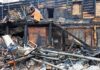

newsalertdaily.org — A “major explosion” at a Staten Island shipyard injured first responders and civilians while investigators said the cause remains unknown, raising fresh questions about workplace safety and government transparency in New York City.
Story Snapshot
- Officials reported at least 16 injuries after a barge fire escalated into an explosion at a Staten Island shipyard [1].
- Fire Department of New York said the cause had not been determined and the scene remained under investigation [1].
- Reports described trapped workers in a confined space and a fire in a metal structure at the docks [2].
- Hazardous materials teams and multiple city agencies responded, signaling a complex incident [1].
What Happened: Timeline and Injury Count
City officials said a fire broke out on a barge at a Staten Island shipyard around mid-afternoon, intensified to a two-alarm incident, and was followed by an explosion a short time later. Reporters on scene cited Fire Department of New York statements that at least 16 people were injured, with two firefighters and a civilian seriously hurt, and additional injuries among firefighters and emergency medical personnel [1]. Live coverage throughout the afternoon showed the response expanding as conditions evolved and agencies coordinated scene control.
Broadcast updates captured a rapidly shifting picture as crews attacked the blaze, searched for victims, and secured the dock area. A consistent official line emphasized that the cause was still unknown and under investigation, with no immediate attribution of fault or detailed ignition analysis provided [1]. That posture is standard in complex industrial or maritime incidents as fire marshals and inspectors work to establish origin, cause, and any code issues before conclusions are released. The initial numbers and time stamps derived from on-scene briefings and agency updates reflected incident-command data as it stood at that hour [1].
Confined-Space Concern and Shipyard Risks
Live reports relayed that emergency calls referenced two workers trapped in a confined space at the dock, and that firefighters encountered a fire in the basement of a metal structure at the rear of the shipping area [2]. Confined spaces heighten danger due to limited ventilation, potential accumulation of flammable vapors, and difficult access for rescue. While officials did not name an ignition source, these operational details underscore why responders treated the scene as high risk and why investigators would need time to test for fuel residues, electrical faults, or other hazards before releasing findings.
National coverage later that day reiterated the 16-injury figure as the working tally by early evening and noted that the fire continued burning during parts of the response [6]. Trade press for the firefighting community echoed the same injury count and the seriousness of several cases [7]. The overall picture aligned around a barge-related blaze that escalated to an explosion, a significant multi-agency mobilization, and a still-undetermined cause—standard markers of a major incident requiring methodical follow-up to avoid premature blame or misinformation while preserving evidence.
Why The Numbers Shift: Media Caution and Data Limits
Some outlets circulated higher injury totals and even referenced a possible fatality during rolling coverage, illustrating how fast-changing emergencies can produce conflicting counts before verification. The most consistent, on-record summary from contemporaneous reporting anchored on at least 16 injuries with multiple serious cases and an open investigation into cause [1][6][7]. Conservative readers value clarity over sensationalism; in this case, the prudent approach is to track the official incident log and subsequent fire marshal determinations rather than treat early, unverified tallies as settled fact.
FDNY: 16 hurt in fire, ‘major explosion’ at Staten Island shipyard https://t.co/00H9tDd99R
— PennLive.com (@PennLive) May 23, 2026
Investigators will likely review 911 recordings, dispatch logs, body-worn camera footage where applicable, and physical evidence from the dock and barge to determine origin and cause. They may consult building and environmental departments for permit histories and potential hazards. If regulators identify violations, accountability should follow swiftly. If the event proves accidental despite reasonable precautions, officials should explain the mechanism plainly so the public understands how responders were placed in harm’s way and how recurrence can be prevented.
Accountability, Transparency, and Safety Going Forward
New Yorkers deserve straight answers on whether safety protocols, confined-space procedures, or hot-work controls were adequate at the shipyard. The Fire Department of New York stated the cause was undetermined and the investigation active [1]; that status demands timely updates as facts solidify. Conservative principles prioritize competence and accountability over grandstanding. Releasing the fire marshal’s report, inspection findings, and any citations will show whether this was an unforeseeable accident or a preventable failure that put firefighters and workers at risk.
For working families and taxpayers already strained by high costs, government owes clear, disciplined communication during emergencies—no hype, no hedging. The reporting on scene documents a dangerous fire, an explosion, and injuries to the men and women who run toward danger [1][6][7]. The next step is facts: origin-and-cause conclusions, any corrective orders, and a remediation plan. That transparency protects lives, supports first responders, and keeps political narratives from eclipsing what matters most—truth, safety, and lessons learned.
Sources:
[1] Web – 3 FDNY firefighters injured in explosion, fire on barge at Staten …
[2] YouTube – LIVE | Explosion at Staten Island shipyard injures dozens
[6] Web – Fire, shipyard explosion on Staten Island injures at least 16 …
[7] Web – Fire and Explosion at Staten Island Shipyard Injures 16, Including …
© newsalertdaily.org 2026. All rights reserved.