
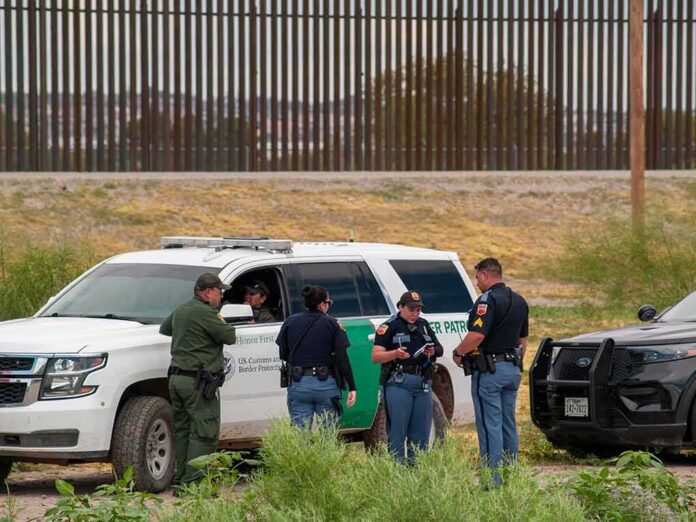
A federal appeals court lifted limits on Border Patrol arrests in California, shifting a constitutional fight to a technical question: who can sue, and when.
Story Highlights
- The Ninth Circuit lifted a district judge’s injunction against Border Patrol stops and arrests in California’s Central Valley.
- Judges said the lower court did not do the required “standing” analysis for future-looking relief.
- The original order followed raids tied to “Operation Return to Sender,” which sparked broad local backlash.
- Homeland Security says enforcement is targeted and alleged misconduct is referred for investigation.
What The Appeals Court Changed
The United States Court of Appeals for the Ninth Circuit lifted a preliminary injunction that had restricted Border Patrol stops and warrantless arrests in California’s Eastern District. The panel said the district court failed to conduct the correct “standing” analysis before ordering forward-looking limits. The judges did not rule on whether agents broke the law. They focused on whether the plaintiffs showed a likely risk of being harmed again in the future.
The ruling sends the case back without the immediate restraints the district judge set in April 2025. That order had required agents to document facts for each stop and show legal reasons for any warrantless arrest. The appeals court’s step means agents can resume typical operations while the lawsuit continues. The legal fight now turns on proof that named workers or members face a clear risk of similar stops or arrests soon, not only that harm happened before.
How The Dispute Started
The lawsuit followed early 2025 enforcement actions in Kern County linked to “Operation Return to Sender.” Reports said agents detained dozens of farmworkers and laborers, and that the operation led to 78 arrests. Plaintiffs argued agents made stops without reasonable suspicion and used warrantless arrests without the required findings. The district judge agreed there was evidence of a pattern of unconstitutional conduct and imposed documentation and training duties on Border Patrol in April 2025.
Advocates later told the court that agents kept using the blocked tactics and asked the judge to enforce the order after a Sacramento action. Those claims showed why plaintiffs wanted ongoing guardrails. But those filings were still allegations, not final findings of contempt. The appeals court’s move did not endorse those claims or reject them. It said the court must first decide if the people suing can seek a broad forward-looking order at all.
What Each Side Says About Enforcement
The Department of Homeland Security says Border Patrol enforcement is highly targeted. The agency says it refers any alleged misconduct for investigation and works with criminal or administrative reviews. A statement from United States Customs and Border Protection said “Operation Return to Sender” targeted people with criminal records. The government’s position frames the sweeps as focused, not random, and subject to internal checks when issues arise.
Union and civil rights groups argue the stops swept up workers and community members without clear, case-specific reasons. They say roving stops away from the border still need reasonable suspicion, based on specific facts, and that warrantless arrests require a proper legal basis. They claim that without court-ordered limits, the same tactics could return. That dispute mirrors older cases over roving patrols and checkpoints and how the Fourth Amendment applies inside the country.
Why “Standing” Now Drives The Case
Standing is a constitutional rule that decides who can ask a court for relief. To get an injunction that controls future conduct, plaintiffs must show a real chance they will face the same harm again. The Ninth Circuit said the district court did not complete that analysis before ordering limits on Border Patrol. That is why the court lifted the order, even as the lawsuit’s claims about past stops and arrests remain alive in the trial court.
🚨 BIG WIN: The Ninth Circuit just ruled that Border Patrol can continue immigration raids in California.
A three-judge panel lifted an injunction from a Biden-appointed judge that had blocked agents from detaining people without “reasonable suspicion.” Federal agents can once…
— Commentary Donald J. Trump Posts From Truth Social (@TrumpDailyPosts) August 25, 2026
This turn frustrates people on both sides of politics who worry that process often blocks accountability. For conservatives, it raises questions about border security clarity and rules of engagement for agents. For liberals, it raises concerns about rights during interior enforcement. For many in the middle, it reads like another case where courts focus on technical gates while basic fairness feels out of reach. The next phase will test whether plaintiffs can prove likely future harm with concrete facts.
Sources:
zerohedge.com, wansom.ai, nytimes.com, keker.com
© newsalertdaily.org 2026. All rights reserved.