

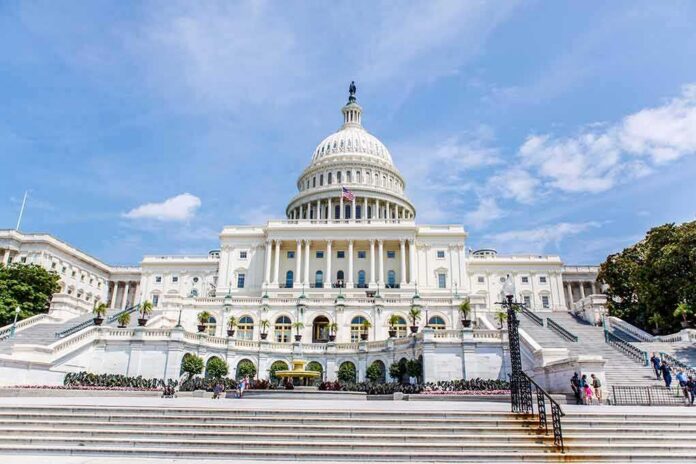
The White House’s top lawyer warned House Democrats that some planned oversight against the Trump administration could be a crime, setting up a constitutional clash before the gavels even change hands.
Story Snapshot
- Democrats won control of the House and Senate and plan aggressive oversight of the Trump administration.
- White House Counsel Will Scharf sent Rep. Robert Garcia a letter warning that abusive subpoenas could be “blatant criminality”.
- Garcia said Congress does not need White House permission and cited Article One authority for investigations.
- Both sides accept Congress can subpoena for oversight, but they dispute the limits and purposes of that power.
Democrats Prepare Oversight; White House Fires a Legal Warning Shot
Democrats captured both chambers in the 2026 midterms and are preparing oversight of the Trump administration starting in January, with Representative Robert Garcia expected to lead the House Oversight Committee. The White House responded with a three-page letter from Counsel Will Scharf warning that threats of sweeping subpoenas could cross constitutional lines and become “blatant criminality”. Scharf said Congress holds compulsory power only for valid oversight, not to harass or intimidate officials. The exchange signals a fast-moving fight over power and process.
Garcia said Congress’ investigative authority comes from Article One, not the executive branch, and argued that the House will decide its own agenda. He also suggested the administration may be hiding something, though that statement reflects his view rather than proof recorded in committee files. The White House letter did not deny that Congress can investigate. It warned instead that subpoenas must be tied to legislation and respect legal limits. That framing sets the terms for looming battles over scope and intent.
What the Law Says About Congressional Subpoenas and Limits
Library of Congress research explains that House and Senate rules give every standing committee subpoena authority, which grows in importance after shifts in party control. Courts have long recognized Congress’s power to investigate as part of its lawmaking work, but the authority is not unlimited. Claims of executive privilege can narrow access to information, and enforcement often ends up in federal court, slowing inquiries and raising costs for both branches. These rules shape the fight that is now starting.
Past disputes show how process can grind down momentum. Committees can hold witnesses in contempt or seek civil enforcement, yet those steps can take months and may not force fast compliance. The Supreme Court has also guarded legislative independence through the Speech or Debate Clause, which limits court interference with valid congressional subpoenas. The open question in this round is not whether Congress can ask. It is whether each demand serves a clear legislative purpose that judges will accept if challenged.
Why This Clash Resonates With Voters Across the Spectrum
Many Americans on the right and left believe Washington serves insiders first. This fight touches that nerve. Democrats say they will probe government conduct and possible conflicts to write better laws. The White House says Democrats risk turning oversight into punishment and threats, which it calls unlawful if not tied to real legislation. Both frames speak to fears about power used to shield friends or hammer enemies. The stakes are not theater. They affect transparency, budgets, and basic checks on government.
People paying high prices, watching border strain, or seeing rising debt want proof that someone is fixing problems, not scoring points. Aggressive oversight can surface waste and abuse. Overreach can backfire, bog down agencies, and drain time and money. If committees target specific issues with clear legislative goals, public support may hold. If requests look scattershot or personal, the administration will have an easier case to resist and to rally allies against the effort.
What Happens Next and How to Judge It
January will bring formal committee control, staff hiring, and letters that set the record demands. The first test will be how the Oversight Committee defines its subjects and links each to draft bills or reforms. The second test will be how the White House answers, including any claims of executive privilege or offers to negotiate limited access. Clear committee memos and narrow subpoenas are easier to defend in court if the fight reaches a judge.
Trump could lose control of congress without losing the presidency.
His allies might lose something much more uncomfortable: congressional protection.
The Democrats aren't just preparing to drag administration officials through televised hearings.
They're preparing to use the… pic.twitter.com/RcYrDsHFgw
— HᴀɴᴅΞ (@handeh777) November 13, 2026
Voters can track three signals. First, watch for specific legislative aims in request letters. That shows a real oversight purpose. Second, look at response logs and timelines from agencies. That reveals whether resistance is principled or just delay. Third, note when disputes move to court. Litigation indicates both sides think the law helps them, and rulings can set new lines for future Congresses. Those outcomes will shape how much sunlight reaches the public this term.
Sources:
pjmedia.com, cbsnews.com, nytimes.com, pbs.org, latimes.com, constitution.congress.gov
© newsalertdaily.org 2026. All rights reserved.