
A direct accusation by President Trump that the United Nations is “funding an assault” on Western nations intensifies the clash over mass migration and America’s sovereignty.
Story Snapshot
- President Trump condemned the UN for backing policies that encourage illegal migration into the United States.
- The administration has implemented indefinite bans and halted funding for certain refugee programs.
- Trump’s speech signals a sharp nationalist, anti-globalist turn, distancing the US from international commitments.
- Ongoing US-UN tensions threaten humanitarian aid and reshape global migration management.
Trump’s UN Accusation: Undermining US Sovereignty?
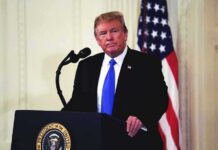
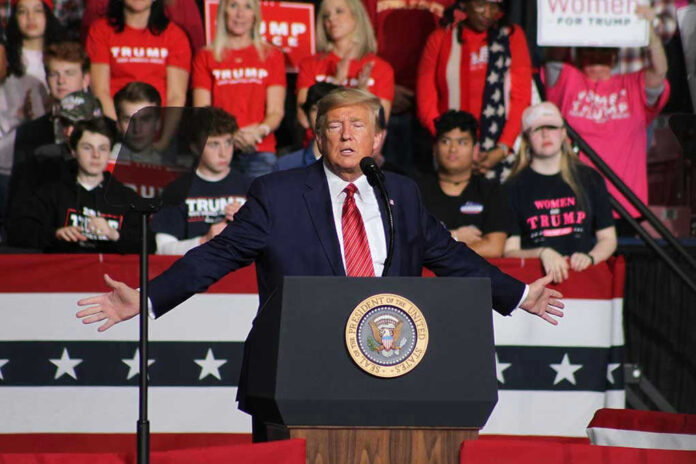
On September 23, 2025, President Donald Trump addressed the United Nations General Assembly for the first time since his return to office, directly accusing the UN of actively “funding an assault” on Western nations by supporting mass migration. Trump argued that the UN’s policies have facilitated illegal entry into the United States, putting American security, economic stability, and constitutional principles at risk. He warned that Europe’s approach to migration is leading countries “to hell,” urging European leaders to reconsider their policies and cut off purchases of Russian oil. This address marks a clear escalation in rhetoric and signals a renewed nationalist and anti-globalist stance from the Trump administration.
BREAKING – Trump accuses UN of ‘funding an assault’ on West through migrationhttps://t.co/30bf2fpWsL
— Insider Paper (@TheInsiderPaper) September 23, 2025
Trump’s speech did not occur in isolation; it followed weeks of executive action targeting asylum and refugee policy. The administration announced indefinite bans and halted funding for several migration-related programs, aiming to sharply curtail legal pathways and humanitarian admissions. These moves continue Trump’s legacy of prioritizing border security, including deploying military assets and expanding enforcement powers. By designating certain criminal organizations as terrorists and ending “catch and release,” the administration seeks to reinforce strict immigration controls. Policy changes have raised significant debate in Congress and among states over their scope and impact.
Policy Shifts: From Globalism to America-First
The current administration’s immigration strategy builds on Trump’s first term, marked by skepticism toward international organizations and multilateral agreements. Since 2025, the US has disengaged from multiple treaties, including major humanitarian and climate accords, reflecting a consistent effort to reassert national sovereignty. Trump’s position is clear: international bodies, especially the UN, should not dictate US border policy or undermine constitutional rights. In practice, this has meant refusing to cooperate with certain UN programs and scaling back funding for global aid. Congressional debates now focus on further restricting refugee admissions and redefining asylum eligibility, with sharp partisan divides over humanitarian obligations versus security concerns.
Central to the administration’s argument is that unchecked migration threatens the nation’s economic health, national security, and traditional values. Trump’s supporters argue that open borders erode American identity and put undue strain on local communities and resources. Critics, including the UN Secretary-General, warn that US aid cuts and restrictive policies “wreak havoc” globally, undermining humanitarian efforts and leaving refugees in limbo. The administration’s push for temporary asylum and first-country applications is seen as a move to shift responsibility away from the US and limit long-term resettlement, which has drawn both domestic and international scrutiny.
Humanitarian Impact and Legal Challenges
Recent policy changes have produced immediate effects: humanitarian organizations report reduced funding and increased operational uncertainty, while refugees and asylum seekers face heightened barriers and delays. The administration’s expansion of detention centers and removal of “sensitive locations” protections has led to widespread raids, even in schools and places of worship. Legal experts highlight potential conflicts with international law, especially as the US pressures states and localities to cooperate in enforcement. Mass deportations and warrantless home entries have disrupted families and created a climate of fear among immigrant communities. Human rights advocates warn that these measures risk violating due process and fundamental fairness, raising the stakes for ongoing legal challenges.
While Trump and restrictionist voices frame these actions as necessary for national survival, humanitarian and internationalist groups argue for upholding refugee rights and the principles of global cooperation. The debate underscores a broader shift away from multilateralism, with the US leveraging its financial power to reshape international norms. As the administration continues to tighten borders and redefine migration criteria, the long-term implications include weakened UN authority, reduced aid budgets, and increased polarization at home and abroad. Congressional oversight and legal battles will likely determine the future balance between security, humanitarian responsibility, and constitutional rights.
Sources:
European countries ‘going to hell’ because of migration, says Trump at the UN
Daily State of Play: Trump’s Indefinite Refugee Ban and Funding Halt