

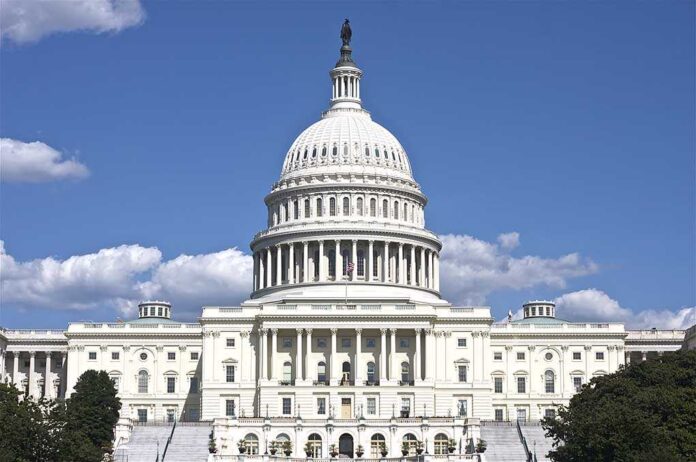
The Pentagon’s policy division has quietly imposed unprecedented restrictions on congressional oversight, sparking alarm among lawmakers who warn that unchecked executive power now threatens the constitutional balance at the heart of American defense policy.
Story Snapshot
- Pentagon implements new policy requiring approval before staff can speak to Congress, raising concerns about transparency.
- Congressional leaders—especially Republicans—accuse the Pentagon of making major defense decisions without proper notification or input.
- Bipartisan frustration mounts as lawmakers learn of troop withdrawals and international pacts from media, not official briefings.
- Experts warn that these moves erode legislative oversight, risking long-term damage to checks and balances.
Pentagon’s New Communication Clampdown Alarms Congress
In October 2025, the Pentagon’s policy shop issued a sweeping directive: Defense Department personnel must now seek prior approval before communicating with Congress or state legislators. This shift marks a dramatic departure from long-standing norms where regular, direct briefings kept lawmakers informed of major military and policy decisions. Congressional leaders, especially from the Republican side, have denounced this move as a clear attempt to sideline their oversight, warning that it undermines the Constitution’s separation of powers and leaves elected representatives “kept in the dark” about critical national security matters.
The fallout was immediate. Just days after the internal policy took effect, lawmakers were stunned to learn—through press reports, not official channels—that a U.S. brigade would be withdrawn from Romania, a key NATO ally. This lack of notification triggered bipartisan outrage, with Senate Armed Services Committee leaders, such as Sen. Roger Wicker and Sen. Dan Sullivan, publicly demanding answers. They cited additional examples where significant defense changes, including nuclear submarine agreements with Australia and other troop redeployments, were executed without even basic consultation. The Pentagon’s refusal to brief elected officials on such matters has only deepened suspicions of executive overreach, fueling accusations that the policy shop is operating in an unaccountable “black box.”
Constitutional Oversight at Risk: Rising Tensions Between Branches
Historically, Congress has held a constitutionally mandated role to oversee military decisions, control defense spending, and authorize major deployments. Traditionally, the Pentagon maintained a steady flow of information to lawmakers, recognizing their central role in shaping defense policy. The recent move to clamp down on communication directly challenges this balance, shifting power toward the executive branch and sidelining legislative input. Critics argue this centralization threatens not only the effectiveness of U.S. defense posture but the very principles of representative government that safeguard against abuse of power. Lawmakers on both sides of the aisle have initiated hearings, but Pentagon officials remain steadfast in defending their internal changes, insisting on the need for operational flexibility and security—despite widespread skepticism from congressional watchdogs.
While past administrations have occasionally withheld sensitive information on national security grounds, the current blanket restrictions represent a significant escalation. Defense analysts and legal scholars caution that such policies, if left unchecked, could set a dangerous precedent. They warn that eroding congressional oversight paves the way for policy missteps and undermines public faith in the military’s accountability to the people’s representatives. Some former officials have gone further, suggesting that the Pentagon’s insular approach reflects a broader trend toward executive dominance in national security—one that could outlast current leadership and fundamentally alter the checks and balances enshrined in the Constitution.
Bipartisan Backlash and Long-term Implications
Criticism of the Pentagon’s policy shop has united lawmakers across the political spectrum, though Republican defense hawks have led the charge. Senators have described the situation as a “pigpen-like mess,” and expressed frustration that they often learn of major defense changes from the media rather than official briefings. The ongoing standoff has not only strained relationships between the Pentagon and Congress, but also raised alarms among U.S. allies, who increasingly question America’s reliability and consultation practices. Defense sector stakeholders, from military contractors to foreign partners, face growing uncertainty as a result of unpredictable policy shifts and diminished transparency.
Looking ahead, the conflict shows no signs of immediate resolution. Congress is considering legislative measures to compel greater transparency and rein in executive overreach. In the short term, the primary casualty is trust: between lawmakers and defense officials, and by extension, between the American people and those entrusted with their security. In the long term, experts warn that failing to restore robust oversight risks institutionalizing a new norm—one where the Pentagon’s most consequential decisions occur behind closed doors, with little accountability to the Constitution or the citizens it protects.
Expert Warnings and the Urgency of Restoring Balance
Defense experts and scholars of civil-military relations have sounded the alarm: restricting congressional access undermines the oversight that prevents errors and abuses. While some argue that operational secrecy is necessary, most agree that bypassing Congress carries far greater risks—threatening democratic accountability and informed policy. The consensus among reputable analysts is clear: only a transparent, constitutionally balanced approach to defense policymaking can ensure the security and liberty Americans expect and deserve.
Sources:
Republican senators say Pentagon policy shop stonewalling Congress
Republican lawmakers lash out at Pentagon for keeping them in the dark
Republican lawmakers lash out at Pentagon for keeping them in the dark