

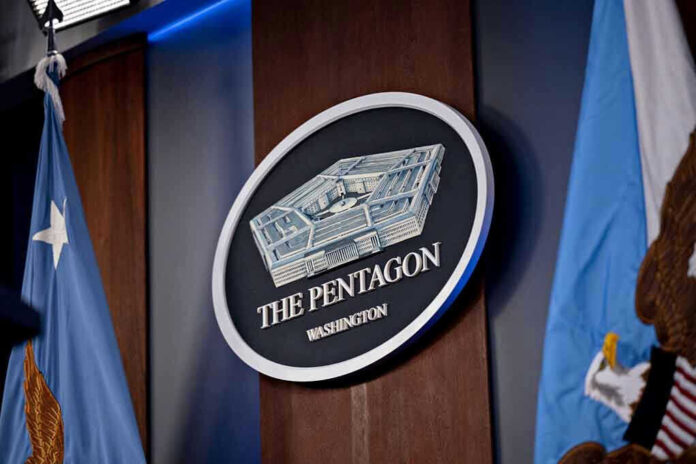
A top Pentagon official’s open embrace of fundamentalist Christianity is shaking up the military, raising alarms about faith, freedom, and who controls America’s armed forces.
Story Snapshot
- Pete Hegseth, Defense Secretary, openly aligns Pentagon policy with a Christian nationalist church promoting a patriarchal, theocratic vision.
- Hegseth has dismissed senior military leaders tied to diversity and inclusion, signaling a sharp ideological shift in military leadership.
- Critics warn this threatens constitutional separation of church and state and risks politicizing the military’s core mission.
- The controversy has triggered legal scrutiny and public debate over religious freedom and democratic values in national defense.
Hegseth Brings Christian Nationalism into Pentagon Policy
Pete Hegseth, now serving as U.S. Defense Secretary, has taken the unprecedented step of publicly aligning the Pentagon with the Communion of Reformed Evangelical Churches (CREC), a group known for advocating Christian theocracy and patriarchal values. Hegseth’s open endorsement of CREC’s slogan, “All of Christ for All of Life,” and his association with church leader Doug Wilson have fueled concerns across the nation. This distinct shift reflects a broader effort to redefine the military’s culture and priorities around a specific religious and ideological worldview.
Hegseth’s alignment with CREC, which began in 2018, became highly visible in August 2025 when he publicly promoted a CNN segment featuring Doug Wilson. By amplifying CREC’s messages and adopting its language in official communications, Hegseth is moving the Pentagon away from its longstanding tradition of religious pluralism. The move has triggered immediate backlash from civil liberties advocates and former military leaders, who argue that this undermines the armed forces’ constitutional obligation to serve all Americans, regardless of faith or background.
Military Leadership Purged for Diversity Support
Since assuming his post, Hegseth has systematically dismissed top military leaders associated with diversity, equity, and inclusion (DEI) initiatives. High-profile officers, including Gen. Charles Q. Brown Jr. and Adm. Lisa Franchetti, have been removed or sidelined, sending a clear message that opposition to the new religiously influenced agenda will not be tolerated. These actions reflect a broader pattern of using personnel decisions to reshape the military’s leadership and enforce ideological conformity, raising concerns about morale and the loss of experienced commanders.
Supporters argue that eliminating DEI programs will restore discipline and traditional values within the ranks. However, critics warn that sidelining qualified leaders for ideological reasons risks damaging unit cohesion and undermining military effectiveness. The dismissals have sparked intense debate in Congress and among defense experts, who question whether these sweeping changes serve national security or narrow political interests.
Constitutional Questions and Legal Challenges Emerge
Hegseth’s overt religious endorsements and policy changes have placed the Pentagon at the center of constitutional scrutiny. Legal experts and civil liberties groups are warning that such actions may violate the Establishment Clause, which prohibits government endorsement of any religion. Lawsuits and congressional inquiries have already begun, focusing on whether these policies erode the separation of church and state and set a dangerous precedent for federal agencies.
This controversy comes at a time when the nation is deeply divided over the role of religion in public life and government. The Pentagon’s ideological shift is prompting fears that the military, a cornerstone of American democracy, could become a tool for partisan or sectarian interests. As legal and political challenges mount, the outcome will likely shape not only the future of military leadership but also the boundaries of religious freedom and constitutional governance in the United States.
Broader Impact on Military and Society
The immediate fallout includes rising polarization and morale issues among service members, particularly women, LGBTQ personnel, and people of color who now face heightened discrimination and exclusion. The purge of experienced leaders may weaken operational readiness and drive away talent, while public trust in the military’s impartiality is at risk. Over the long term, the precedent set by enforcing religious and ideological tests for leadership could ripple across federal agencies, eroding democratic norms and international confidence in America’s commitment to pluralism and the rule of law.
As the Pentagon undergoes this transformation, Americans across the political spectrum watch closely. For many, upholding the Constitution and the foundational principle of separating church and state remains non-negotiable. The coming months will reveal whether legal institutions and public pressure can restore balance or if a new era of ideological governance takes root in the nation’s military command.
Sources:
Holy Warrior: Hegseth Bringing Fundamentalist Christianity into the Pentagon
US defense secretary Pete Hegseth meets Baltic defense ministers at Pentagon
Defense Secretary Hegseth tests Constitution with Pentagon worship services