
Trump’s high-stakes China visit ends with a Boeing bonanza and sharper lines over Taiwan, exposing just how much is at stake for American jobs, security, and freedom.
Story Snapshot
- Trump announces China’s commitment to buy 200 Boeing jets after intensive talks with Xi Jinping, signaling a major win for U.S. manufacturing and workers.
- The Beijing summit tackled trade, Iran, energy, and global security, with both sides trying to reset an uneasy relationship without surrendering core interests.
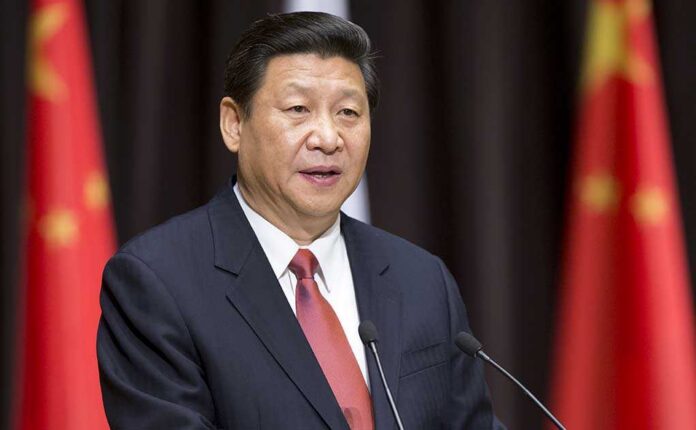
- Xi used the private meetings to press hard on Taiwan, warning tensions could lead to “conflicts,” underscoring the stakes for U.S. deterrence in the Pacific.
- Despite ceremonial fanfare and “grand farewell” coverage, public documentation of specific concessions beyond aircraft purchases remains thin.
Trump’s Beijing Gamble: Big Deals, Bigger Stakes
President Donald Trump wrapped up a closely watched visit to Beijing by boarding Air Force One after a final round of talks and ceremony with Chinese President Xi Jinping, ending what multiple outlets described as a two-day, high-stakes summit on trade and global security.[1][2][3][4] Coverage stressed the symbolism: red-carpet welcomes, leader-to-leader meetings, and a “grand departure ceremony” that signaled both sides wanted to project stability, not rupture, despite deep disagreements.[1][2][3]
Reports from the trip say the summit was framed as a “highly consequential 2026 United States–China Summit” that delved into the Middle East crisis, energy flows, and the broader rules of global commerce.[4] For Trump’s supporters at home, these are not abstract topics. They directly touch the cost of fuel, the security of Israel, and whether American factories build planes, chips, and tractors—or watch that production drift to foreign competitors who ignore fair-play standards and human rights.
A Boeing Windfall And The Battle To Bring Business Home
One of the clearest tangible outcomes was Trump’s announcement that China committed to buying 200 Boeing aircraft following talks with Xi.[2][3][4] That pledge tracks with separate reporting that Boeing is pursuing an even larger deal for about 500 of its 737 Max jets and is in discussions over additional wide-body planes.[1] For American workers scarred by years of offshoring, cheap imports, and anti-industry regulations, a major aircraft order represents real jobs, high wages, and leverage against global rivals subsidized by their governments.
Trump’s push came as he led a heavyweight business delegation including Boeing executives and leaders from Tesla, SpaceX, Apple, BlackRock, Citi, and agricultural giants such as Cargill.[1] Conservative voters have every right to demand that such trips translate into benefits for welders in Wichita and farmers in Iowa, not just boardrooms in New York or San Francisco. Early reports suggest farm goods and energy exports were part of the discussions, echoing the administration’s broader agenda to expand markets for American oil, gas, and agriculture.[1][2][4]
Taiwan, Red Lines, And The Risk Of Appeasement
Even as Trump worked the economic angles, security tensions were never far from the surface. A report citing Chinese Foreign Ministry accounts says Xi used the talks to repeat that Taiwan is the “most important issue in China–United States relations” and warned that mishandling it could lead to “conflicts.” That language underscores what many conservatives already know: the Chinese Communist Party views American support for a free, democratic Taiwan as a direct challenge to its regional ambitions.
Summit coverage and commentary indicate that Taiwan was the only concrete policy issue quoted in detail from the private conversations, overshadowing whatever trade details were also discussed.[2] That imbalance raises a critical question for American patriots: while Trump presses for jobs and energy exports, will Washington’s permanent class slip back into the old pattern of treating security concerns—like Taiwan, Pacific deterrence, and freedom of navigation—as bargaining chips? Past research into earlier Trump–Xi encounters shows analysts often judged outcomes “modest,” with many unanswered questions despite the White House highlighting “massive” wins.
Fanfare, Fog, And The Need For Transparency
Video packages from Beijing focused heavily on optics—motorcades, honor guards, state dinners, and Trump’s “grand farewell” as he departed on Air Force One.[1][2][3] Those visuals matter for signaling strength abroad, but they can also obscure the fine print. In the publicly available material, there is no joint communiqué, detailed fact sheet, or signed tariff and enforcement package spelling out exactly what Beijing agreed to beyond the aircraft commitments Trump described.[1][2][3][4]
Xi, Trump held a private meeting in Beijing before conclusion of US President's China visit https://t.co/vucAPOLMMJ#XiJinping #DonaldTrump #ChinaUSRelations #Beijing #USChina #Diplomacy #GlobalPolitics #TradeRelations #InternationalNews #Zhongnanhai #XiTrumpMeeting #WorldNews
— YesPunjab.com (@yespunjab) May 15, 2026
This information gap should concern anyone who wants America to avoid another round of empty globalist promises. Analysts note a recurring pattern in United States–China summitry: both capitals sell “wins” while leaving enforcement vague and timelines soft. For conservatives burned by decades of bad trade deals, that pattern is a red flag. Trump’s team now has a responsibility to publish clear terms, insist on verifiable milestones, and refuse to trade away security or sovereignty for photo ops, however impressive the send-off looks on television.
Sources:
[1] YouTube – Trump Departs China After Two-Day High-Stakes Visit With Xi Jinping
[2] YouTube – Trump Departs Beijing After High-Stakes Xi Talks and Historic China …
[3] YouTube – Grand Ceremony Marks Donald Trump’s Departure After High-Stake …
[4] YouTube – Trump Leaves Beijing After Reaching Major Pacts with Xi Jinping