
President Trump’s bold threat of military action against Nigeria has exposed how mainstream media rushes to deny Christian persecution while dismissing evidence of systematic violence against believers.
Story Highlights
- Trump threatens military intervention in Nigeria over alleged Christian genocide, sparking fierce media pushback
- Nigerian government and conflict analysts deny religious persecution claims, calling them “dangerous far-right narrative”
- Media coverage emphasizes debunking Christian genocide claims while downplaying documented terrorist attacks on religious sites
- Trump orders Department of War to prepare contingency plans as diplomatic tensions escalate
Trump Takes Stand Against Religious Persecution
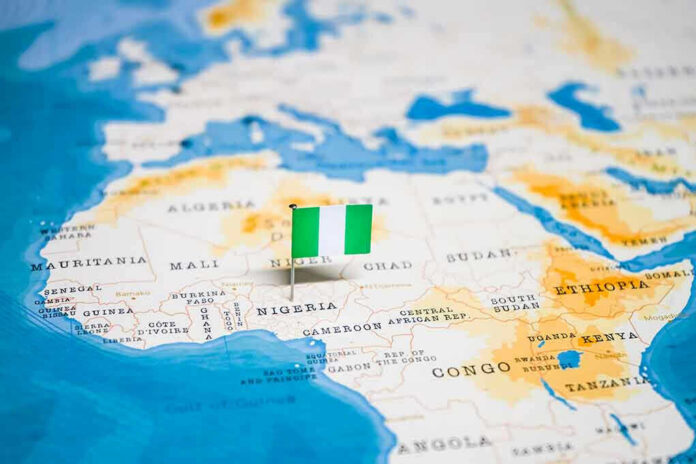
President Trump issued a forceful statement on Truth Social threatening immediate military action against Nigeria if the government continues failing to protect Christians from terrorist violence. Trump declared the United States would “immediately cease all aid and assistance to Nigeria” and threatened to enter the country “guns blazing to completely wipe out the Islamic terrorists.” The President characterized any potential military response as “fast, vicious, and sweet,” signaling his administration’s commitment to defending religious freedom globally.
Media and Analysts Rush to Deny Christian Persecution
Nigerian humanitarian lawyer Bulama Bukarti immediately contested Trump’s characterization, claiming “there is no Christian genocide going on in Nigeria” and dismissing the narrative as a “dangerous far-right narrative.” Bukarti argued that terrorist groups target both Muslims and Christians indiscriminately, bombing markets, churches, and mosques without religious discrimination. This response reflects a troubling pattern where legitimate concerns about Christian persecution are quickly labeled as extremist rhetoric rather than addressed with serious investigation.
Nigerian Government Deflects Responsibility
President Bola Ahmed Tinubu’s administration responded defensively to Trump’s ultimatum, claiming his government maintains “open and active engagement with Christian and Muslim leaders alike.” Tinubu insisted that characterizations of Nigeria as religiously intolerant “does not reflect our national reality,” yet failed to provide concrete evidence of effective protection for Christian communities. This deflection raises questions about whether Nigeria’s government truly understands the severity of religious violence within its borders.
Constitutional Concerns Over Religious Freedom
The dispute highlights fundamental questions about America’s role in protecting religious freedom internationally. Trump’s willingness to use military force demonstrates his administration’s commitment to defending Christian communities worldwide, a stark contrast to previous policies that often ignored religious persecution. The pushback from media and foreign governments suggests resistance to acknowledging the reality of anti-Christian violence, particularly when perpetrated by Islamic terrorist groups. This pattern undermines constitutional principles of religious liberty that should extend to American foreign policy priorities.
The incident reveals how quickly establishment voices mobilize to dismiss claims of Christian persecution while failing to adequately address the underlying security failures that enable such violence. Trump’s decisive response sends a clear message that religious freedom remains a cornerstone of American values worth defending with force if necessary.