
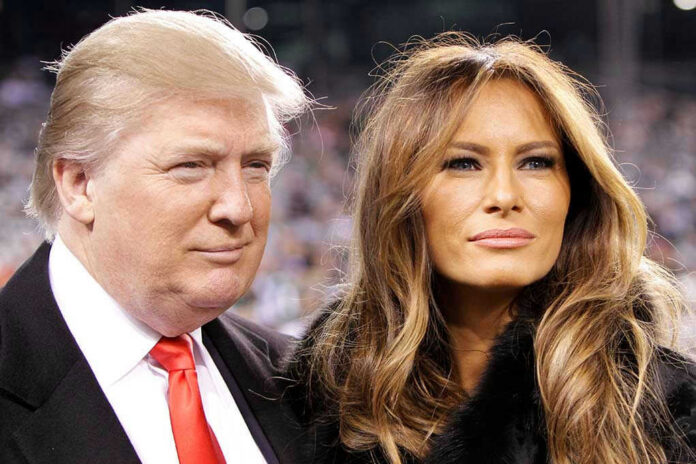
After years of “open border” politics, President Trump used the White House to put the victims—and the preventable costs of illegal immigration—back at the center of the national debate.
Story Snapshot
- President Donald J. Trump hosted an Angel Families remembrance ceremony at the White House on February 23, 2026.
- Trump signed a proclamation designating February 22 as National Angel Family Day, tied to the second anniversary of Laken Riley’s February 22, 2024, murder.
- Family members publicly shared testimonies about loved ones killed by undocumented immigrants and urged tougher border enforcement.
- Available coverage is largely official and event-focused; independent expert analysis is limited in the provided research.
White House ceremony centers victims of illegal-immigrant crime
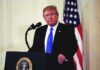
President Donald J. Trump welcomed “Angel Families” to the White House on February 23, 2026, for a ceremony honoring Americans killed by undocumented immigrants. The event included a solemn tribute with families speaking, names being read, and a focus on the human consequences of immigration enforcement failures. Trump praised the families’ courage and said he would not forget them, framing the ceremony as part of a broader push for law-and-order border policy.
Organizers tied the tribute to specific cases that have become touchstones in the immigration debate. The White House account highlighted victims including Laken Riley, Grant Ronnebeck, and Javier “Harvey” Vega Jr., among others, and emphasized that the deaths were viewed by participants as preventable. Families used the platform to press for accountability and to spotlight what they described as consequences of past policy decisions, including releases enabled by sanctuary-style approaches.
National Angel Family Day proclamation sets a yearly marker
Trump’s proclamation designating February 22 as National Angel Family Day formalizes an annual observance intended to remember victims and their families. The date aligns with the anniversary of Laken Riley’s death on February 22, 2024, which the White House described as a catalyst for renewed calls to secure the border. Supporters view the proclamation as a clear signal that the federal government is prioritizing Americans harmed by illegal immigration, not sidelining them for political convenience.
The proclamation also revives a term and a practice that gained prominence during Trump’s first term, when “Angel Families” were invited to speak publicly about their loss. The research provided notes that similar events occurred during that earlier period, but that an official proclamation faced legal hurdles at the time. In 2026, the White House treated the designation as both a memorial and a policy message—an institutional reminder, year after year, of why enforcement choices matter.
Families’ testimonies sharpen the policy debate on enforcement and sanctuary rules
Several family members highlighted in the White House materials described their loved ones and argued that government failures compounded their tragedy. Allyson Phillips, Laken Riley’s mother, warned that “this could be any family,” while Steve Ronnebeck said Trump had remembered his son, Grant Ronnebeck, long before the current moment. Other relatives criticized political leaders for focusing attention elsewhere while Americans—especially families devastated by violent crime—felt ignored.
Based on the coverage provided, much of the argument at the event connected personal loss to policy choices: border enforcement levels, deportation priorities, and the ripple effects of local and state “sanctuary” policies. From a constitutional and limited-government perspective, the central question is straightforward: whether government’s first obligation—protecting citizens and enforcing duly enacted law—was weakened by political decisions. The event’s narrative was that enforcement failures created avoidable risk.
What the available reporting does—and does not—show
The source material supplied is strong on verifying the basic facts of the day: the date of the ceremony, the proclamation’s purpose, and the identities of key participants and victims referenced. The primary written account and a companion White House video present a consistent description, while multiple full-ceremony videos corroborate the sequence and tone of the event. No contradictions appear in the provided research about the core timeline or the proclamation.
At the same time, the research packet includes limited independent expert analysis or dissenting policy critique. The available items are primarily official White House communications and event-focused video coverage, meaning readers should treat broader claims—such as comparative border-security outcomes across administrations—as outside the scope of what is directly documented here. What is clear is the administration’s intent: to elevate victims’ families, frame border security as a public-safety issue, and establish an annual remembrance tied to February 22.
Sources:
President Trump Honors Angel Families, Remembers American Lives Lost to Illegal Immigration
President Trump Remembers All Angel Families, Proclaiming February 22nd as National Angel Family Day